At The HDP Nexus Workshop On Children Affected By Armed Conflict, Trauma Healing Took Center Stage As A Vital Step In Restoring Hope And Rebuilding The Lives Of Young Survivors
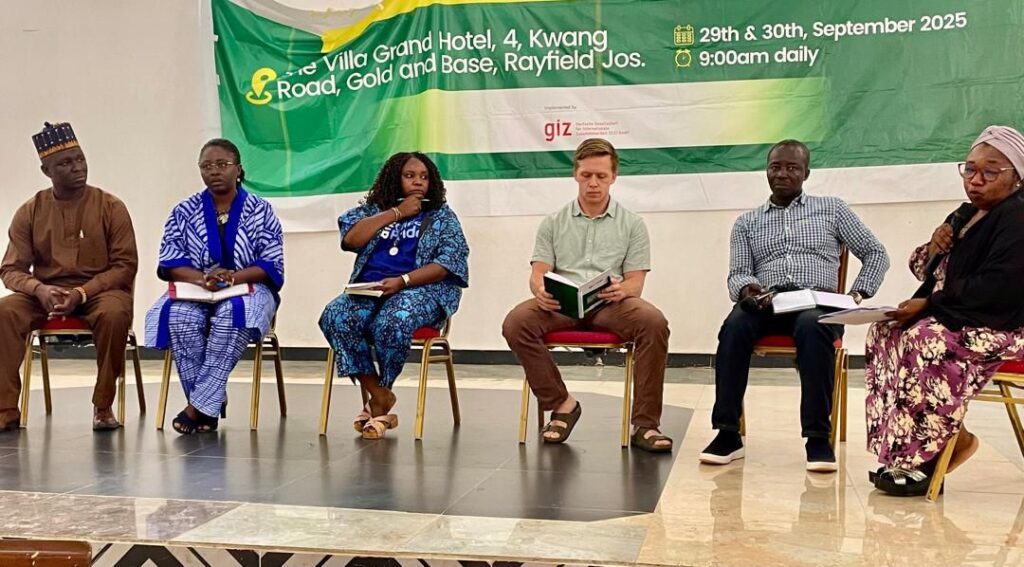
The two-day workshop on the Humanitarian-Development-Peace (HDP) Nexus and Children Affected by Armed Conflict was held at Villa Grande Hotel in Jos, Plateau State. Day one focused on setting the foundation for the conversations, with keynote addresses, goodwill messages, and technical sessions that highlighted the challenges children face in conflict situations. Participants engaged in discussions on the HDP Nexus framework, emphasizing the need for stronger collaboration, coordination, and data-driven action to protect vulnerable groups. The day ended with renewed commitments from stakeholders to work together toward sustainable peace and child-centered interventions.
Day two featured a panel discussion on trauma healing for children affected by armed conflict. Panelists included Boniface Anthony of JDPC, Yonpan Dariem of the Child Protection Network, Lamingo Gidado, a play therapist, and Mr. Sale Akwai, a psychologist, who shared practical insights on the impact of conflict on children and the importance of holistic support systems that address trauma, psychosocial needs, and long-term recovery.
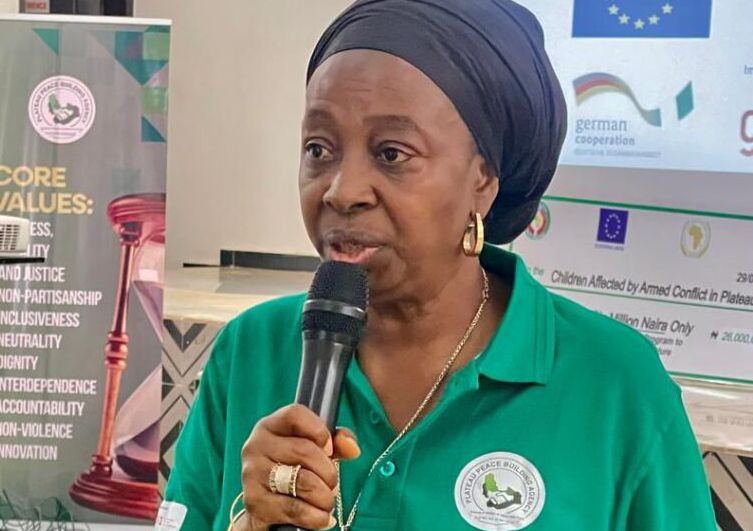
Julie Sanda, Director General of the Plateau State Peacebuilding Agency, described the workshop as historic, noting it is the first of its kind in Nigeria to bring humanitarian, development, and peacebuilding actors under one platform. She highlighted the significance of ECOWAS partnering with a sub-national unit like Plateau State, with the approval of relevant federal ministries, and praised the collaboration of partners such as GIZ. Sanda attributed the success to strong networks, credibility, and established coordination frameworks, stressing that peacebuilding cannot be achieved in isolation. She emphasized that the initiative has expanded partnerships, particularly around addressing the plight of children affected by conflict, and will be carried forward beyond the workshop.
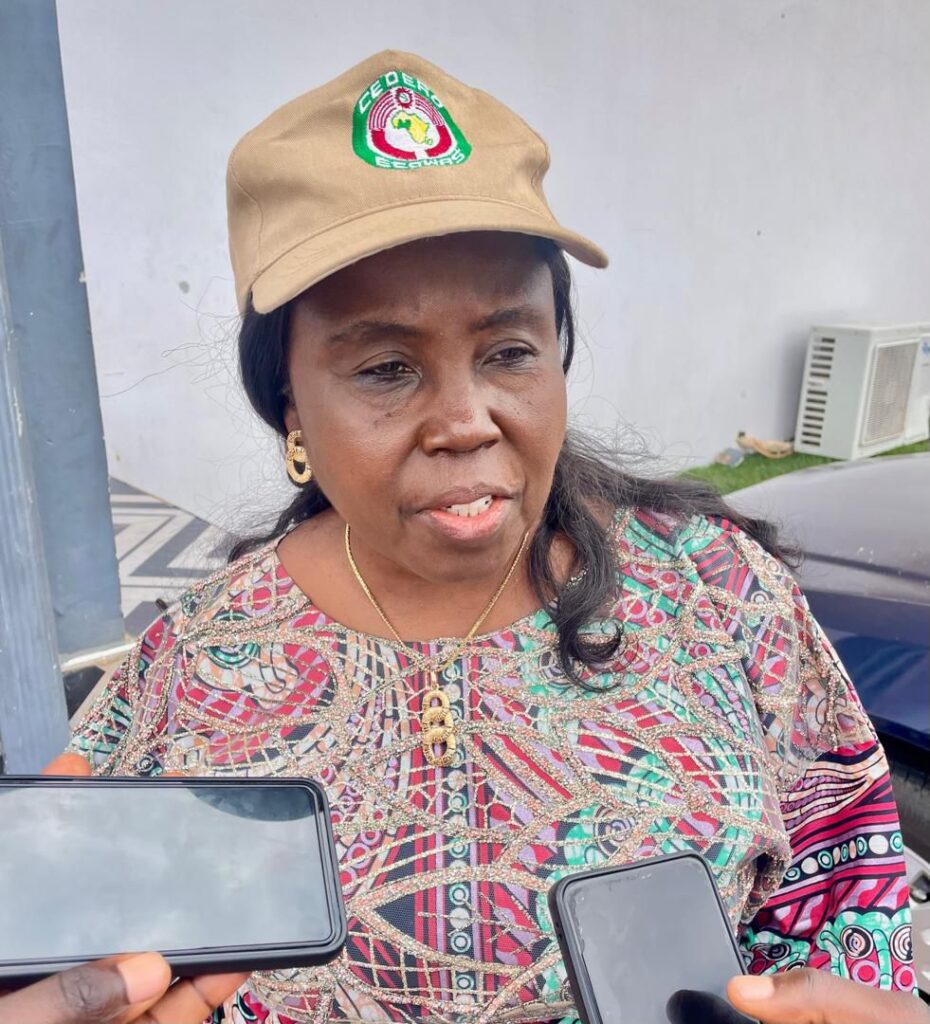
Dr. Sintiki Tarfa Uwe, Director of Humanitarian and Social Affairs at the ECOWAS Commission, reaffirmed ECOWAS’ commitment to supporting Plateau State in line with its Vision 2050 of peace and prosperity for all. She emphasized that peace is essential for development and praised the resilience of Plateau people despite challenges. Highlighting the Humanitarian-Development-Peace nexus, she stressed that interventions must be comprehensive, meeting immediate needs such as food, education, and psychosocial support, particularly for women and children. Dr. Uwe further noted that ECOWAS, alongside partners like the EU’s African Peace and Stability Architecture, has dedicated over ₦80 million in funding to education, nutrition, and dignity kits, ensuring that peacebuilding efforts are grounded in tangible action and real community impact.
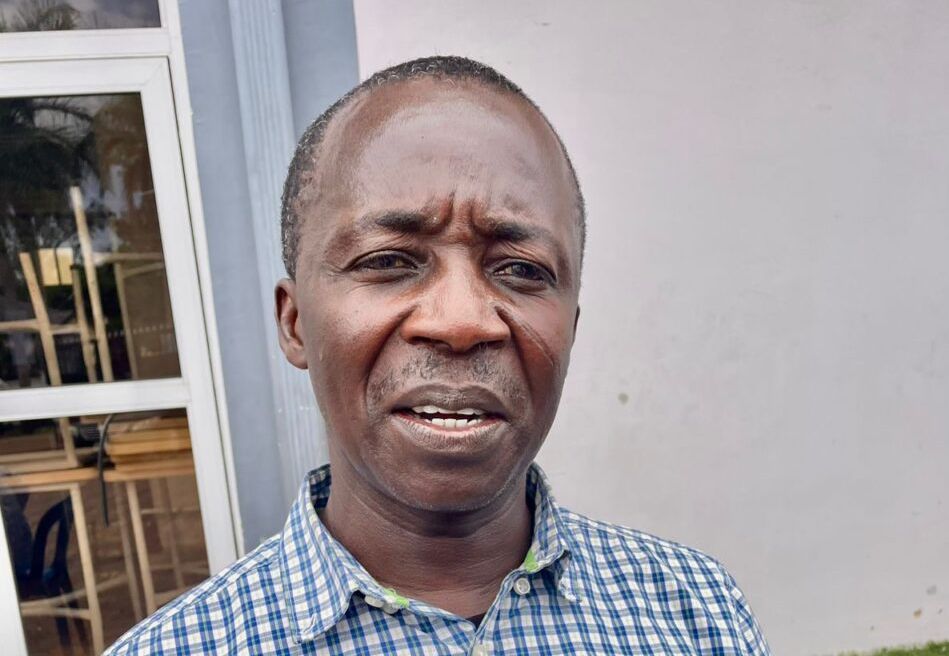
Boniface Anthony, Program Manager for Emergency Response at JDPC Jos, also described the training as timely and impactful, bringing together humanitarian and peacebuilding actors to address the silent struggles of children affected by armed conflict. He emphasized the need to move beyond the workshop by holding regular coordination meetings, identifying gaps, sharing learning, and ensuring collective efforts truly impact affected communities. While recalling past initiatives that fell short, he expressed optimism that under the leadership of the Plateau State Peacebuilding Agency and through collaboration with government, civil society, and international partners, sustainable solutions can be achieved.
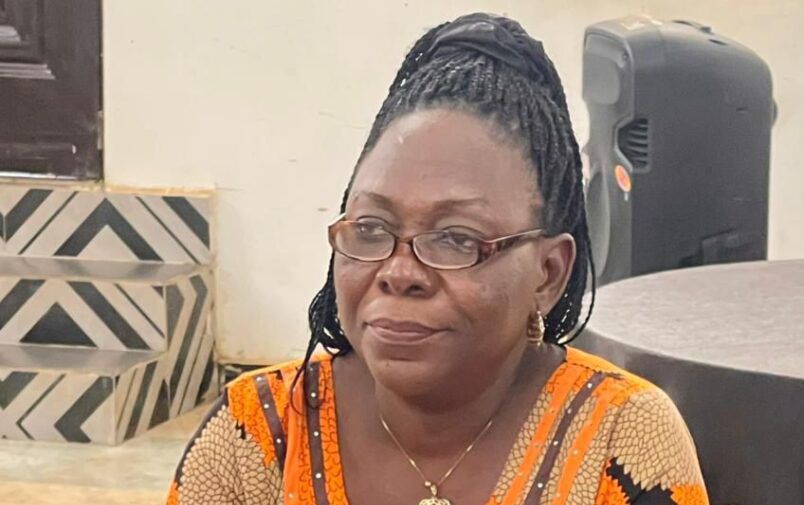
Adding to the discussion, Nene Dung, Director of Media at the Plateau State Gender and Equal Opportunities Commission, highlighted the synergy between the Peacebuilding Agency, SEMA, other local actors, and ECOWAS, describing the workshop as both timely and impactful. She noted the importance of psychosocial support, referencing play therapy sessions for traumatized children, and emphasized that while data on IDPs exists, immediate relief and long-term recovery remain more urgent. She called for stronger collaboration between government, NGOs, and civil society to establish safe spaces and coordinated support that would help children and communities rebuild after conflict.
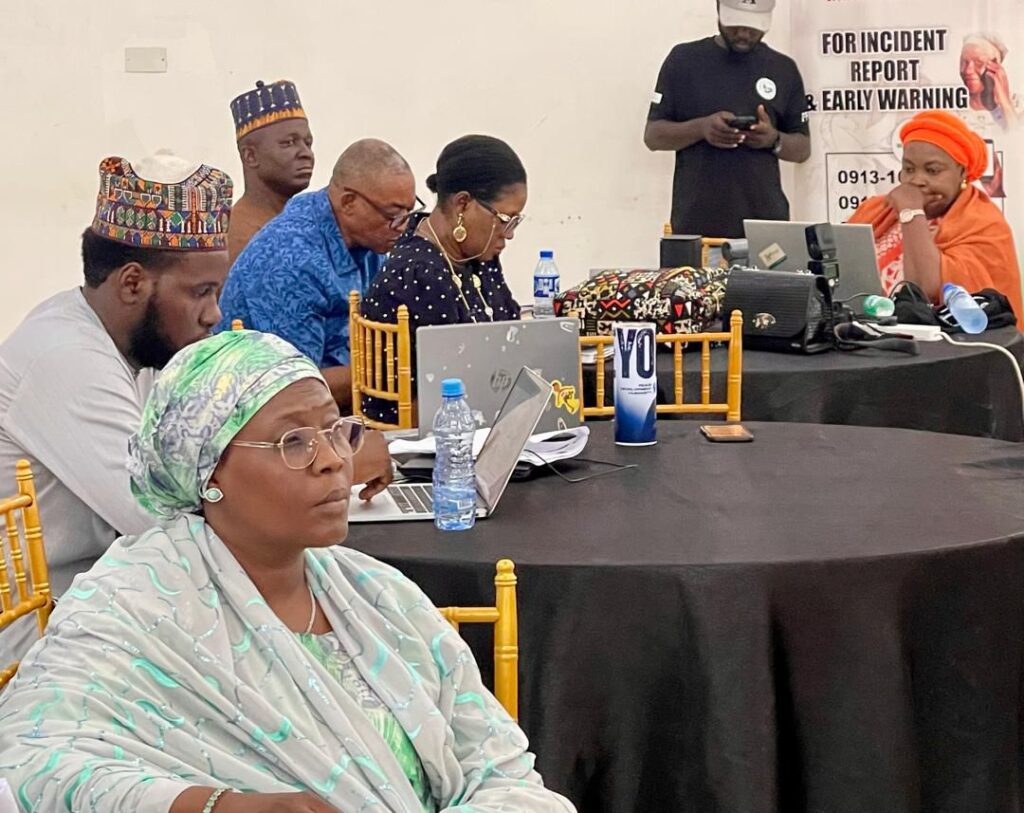
In conclusion, the workshop not only underscored the urgency of addressing the plight of children affected by armed conflict but also demonstrated the power of partnership between local, national, and regional actors. With commitments from Plateau State institutions, ECOWAS, and other partners, the event marked an important step toward strengthening resilience, promoting healing, and ensuring that no child is left behind in the journey toward peace and development.