Plateau Peace Building Agency Hosts Peace Architecture Forum on HDP Nexus
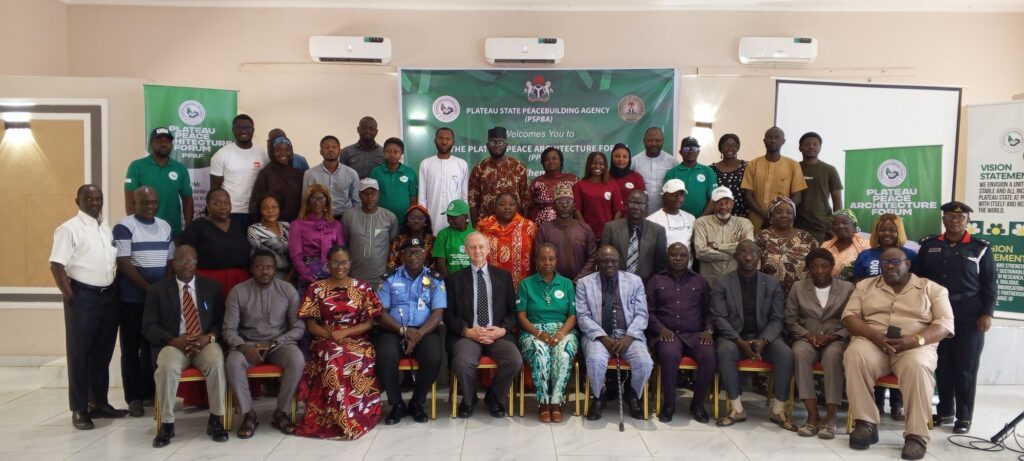
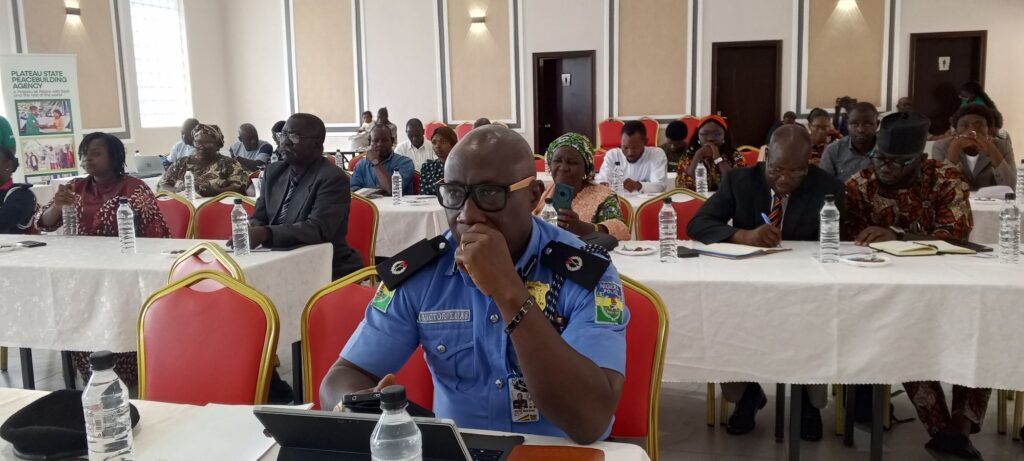
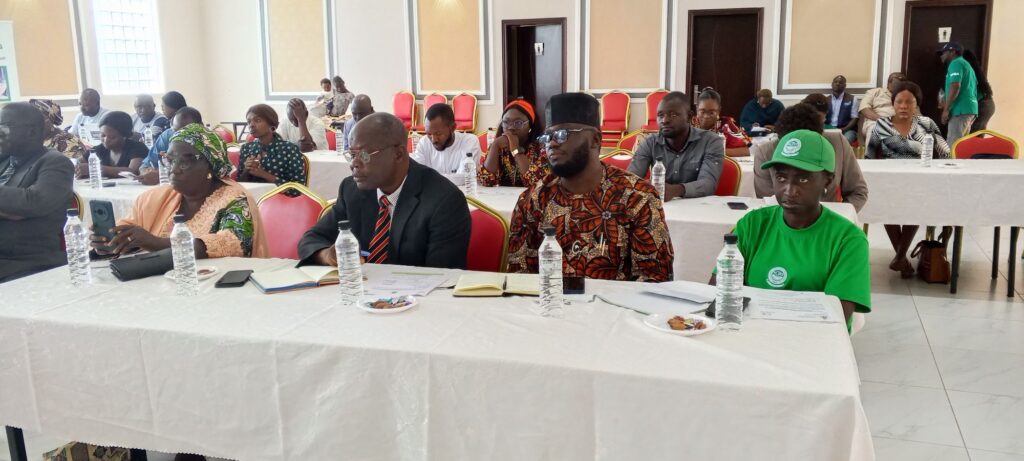
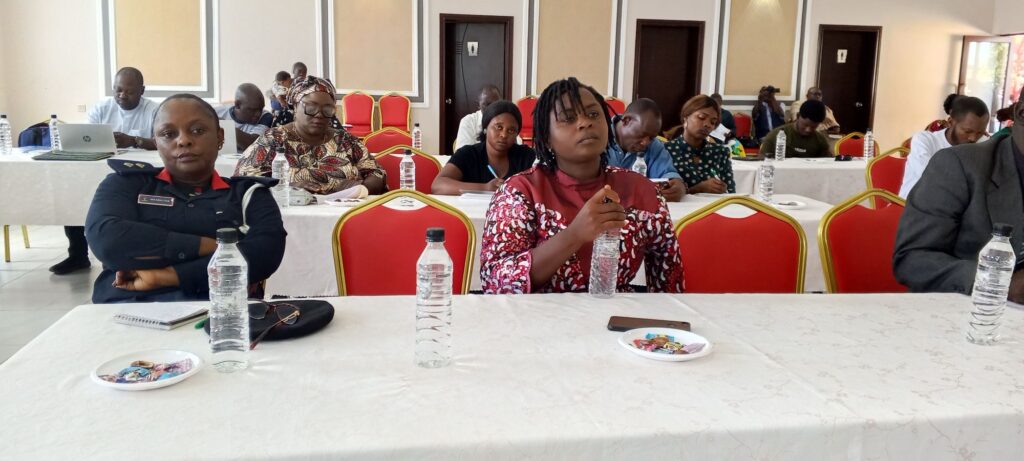
The Plateau State Peace Building Agency (PSPBA) has once again strengthened its leadership in peace and development coordination by hosting the Plateau Peace Architecture Forum (PPAF) with the theme: “Integrating the Humanitarian-Development-Peace Nexus for Sustainable Impact in Plateau State.” The gathering brought together government officials, development partners, civil society leaders, and peace practitioners committed to fostering lasting peace and resilience in the state.
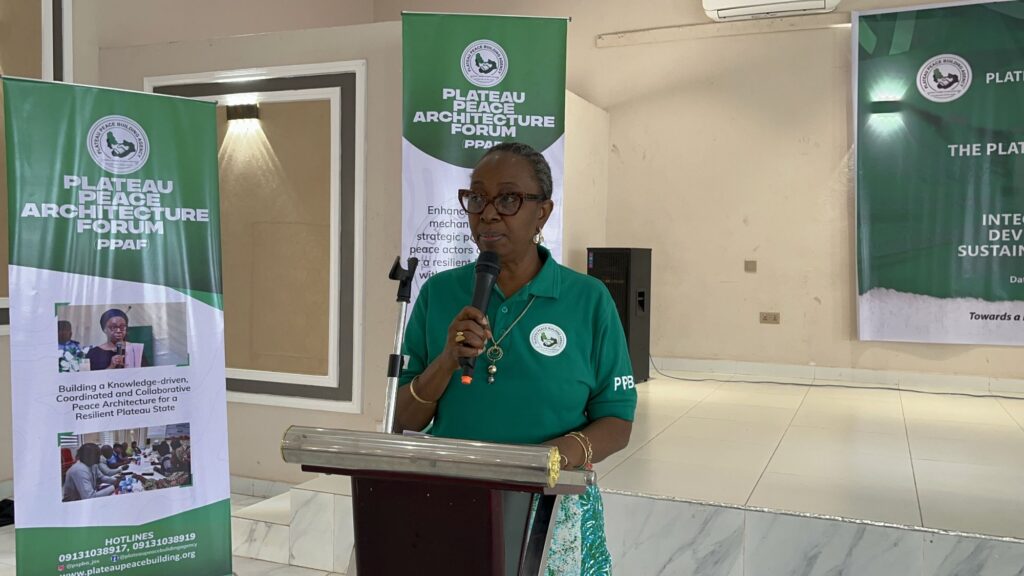
Declaring the forum open, the Director General of PSPBA, Dr. Julie Sanda, reaffirmed the Agency’s commitment to building a coordinated peace architecture grounded in collaboration and real-time community needs. She emphasized that the HDP framework remains a strategic lens for addressing post-conflict realities in Plateau State — from trauma healing and livelihood restoration to youth empowerment, education recovery, and resilience building. Dr. Sanda expressed that peace cannot be sustained in isolation of economic and social recovery, stressing deliberate partnerships across sectors to ensure sustainable impact.
In a goodwill remark, Dr. Tanko Davit of NIPSS lauded the Agency’s leadership and shared that Plateau State’s peace-building structure is inspiring similar efforts in Nasarawa State, signaling confidence in continued inter-state collaboration.
Similarly, Mr. Brandon Fantis of the Centre for Humanitarian Dialogue praised the Agency’s coordination efforts and urged stakeholders to remain united in advancing the HDP agenda through shared learning and partnership-building.
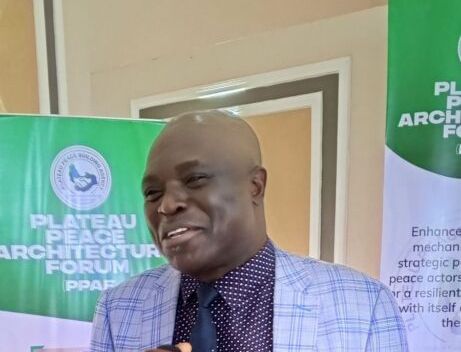
Also speaking, Hon. Sam Godong, DG Research Directorate, Government House, described the forum as timely and aligned with the state’s policy thrust on peace, security, and good governance. He reiterated the importance of synergy in driving sustained community resilience.
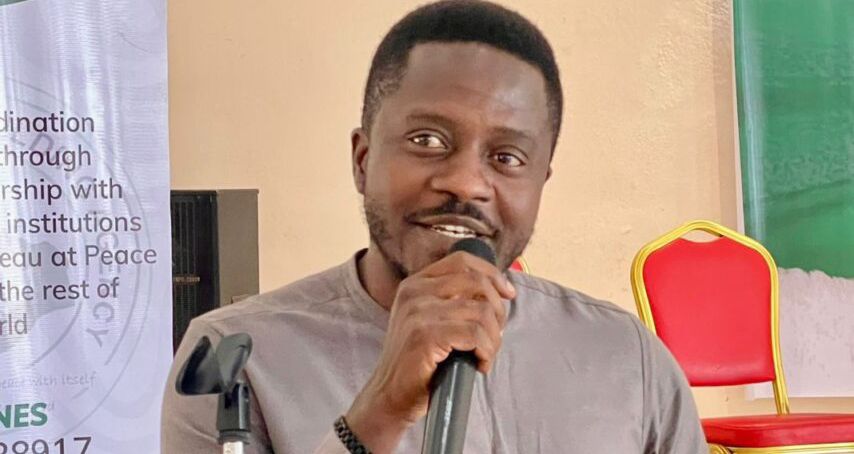
Representing the House Committee on Labour and Security, Mr. Mafeng Bot (for Hon. Joe Bukar) applauded the Agency’s proactive convening role, encouraging stakeholders to commit to knowledge-sharing and collaborative solutions for durable peace and development.
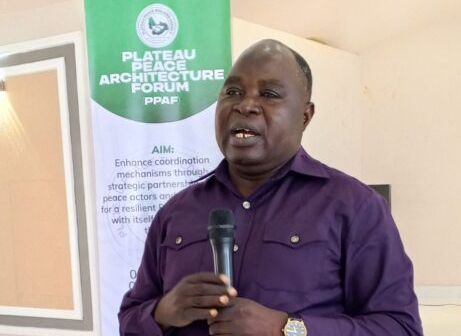
The event featured a keynote presentation by Mr. John Danboyi of the Peace Training Centre titled, “Operationalising the HDP Nexus in Plateau State: Pathways and Possibilities.” He explained the need for coordinated, people-centered strategies that align humanitarian assistance, development programming, and peacebuilding initiatives. According to him, sustainable peace requires resilient local institutions, inclusive policies, and strong collaboration across government, community actors, and development partners. His presentation offered actionable strategies and reinforced the importance of synergy in delivering long-term peace outcomes.
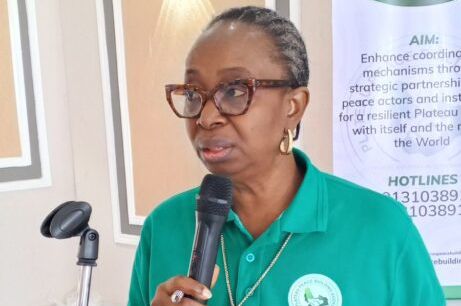
Dr. Julie Sanda, spoke on the topic: Reflections from the September HDP Nexus Workshop Proceedings – Lessons and Highlights. She highlighted the Plateau State Peace Building Agency’s mandate in coordinating post-conflict rehabilitation and emphasized the central role of the Humanitarian-Development-Peace (HDP) nexus in operationalizing this responsibility. She explained that while the Agency focuses specifically on peace-related coordination, it works deliberately with key partners across sectors—including education, child protection, SDGs, and emergency management—to address recovery, resilience, trauma healing, youth empowerment, livelihoods, and entrepreneurship. Dr. Sanda stressed that true post-conflict peacebuilding cannot occur in silos, noting field observations that communities emerging from violence need support beyond mediation, including basic livelihood assistance and opportunities for education and economic stability. She reaffirmed the Agency’s commitment to refining its coordination efforts and ensuring that peace initiatives integrate development and humanitarian priorities to help communities rebuild and sustainably maintain peace.
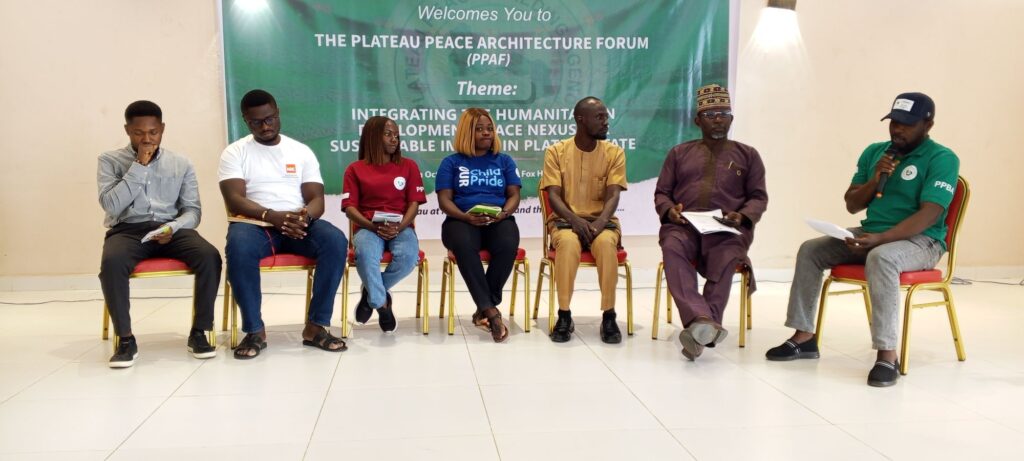
A panel engagement, led by Mr. Nantip, on the topic “Integrating the HDP Nexus into Programme Design and Implementation” featured representatives from PLASEMA, NRC, the SDGs Office, JDPC, the Child Protection Network, CRADI, and PSPBA. The discussants emphasized the importance of strengthening coordination among HDP actors to enhance community and institutional resilience, while also addressing the root causes of conflict and vulnerability. They further highlighted the need to develop response mechanisms that promote efficiency, accountability, and measurable outcomes, thereby ensuring sustainable peace and development in affected communities.
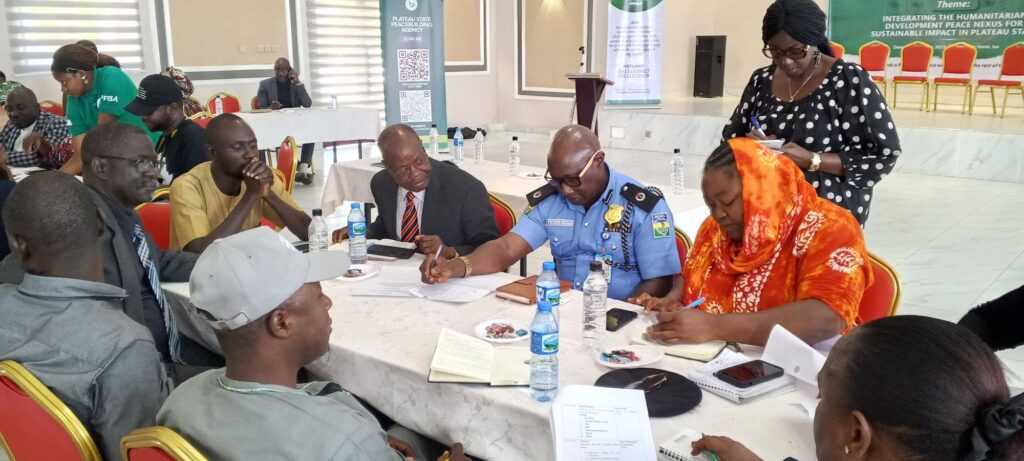
Participants engaged in fish-bowl breakout sessions across three thematic areas: Displacement, Shelter & Host Communities; Food Security, Livelihood & Nutrition; and Education in Emergencies & Peace-Humanitarian Nexus, where they assessed current realities, key challenges, coordination needs, and proposed actionable recommendations. The discussions revealed significant gaps in education, displacement, and food security, including rising school drop-out rates, damaged learning facilities, overstretched host communities due to population displacement, and threats to agriculture and livelihoods driven by conflict and climate-related shocks. Stakeholders emphasized the need for stronger coordination platforms, increased education funding and teacher support, community-based systems for assisting displaced persons, enhanced conflict-resolution structures, and targeted livelihood empowerment to restore sustainable learning, secure shelter, and resilient food systems across the state.
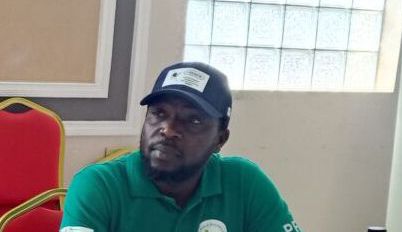
In a closing remarks, Mr. Nantip Joseph Laktam, Director of Programme, PSPBA, appreciated participants and partners for their commitment to peace and development in the state. He reaffirmed the Agency’s dedication to driving joint action under the HDP framework and urged stakeholders to translate discussions into concrete interventions that uplift communities and secure long-term peace in Plateau State.