
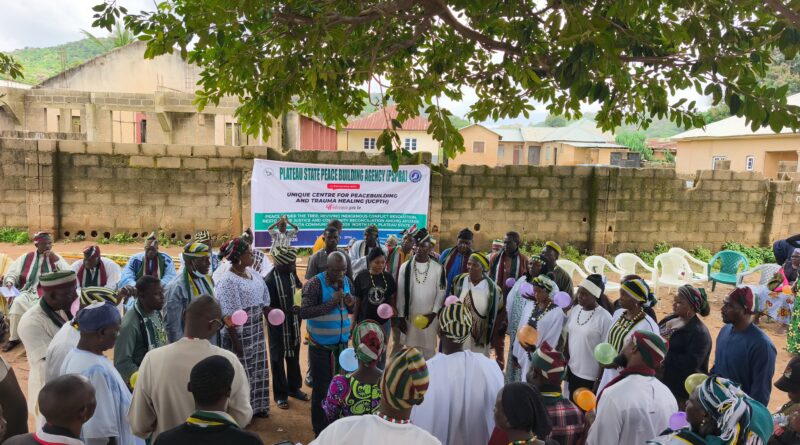
Plateau State Peace Building Agency Revives Indigenous Conflict Resolution Through “Peace Under the Tree” Initiative
In a renewed effort to promote lasting peace and strengthen community relationships, the Plateau State Peace Building Agency (PPBA), in partnership with the Unique Centre for Peacebuilding and Trauma Healing (UCPTH), organised a three-day programme titled “Peace Under the Tree: Reviving Indigenous Conflict Resolution, Restorative Justice and Community Reconciliation among Afizere and Anaguta Communities in Jos North Local Government Area, Plateau State.” The dialogue, held at the Nabor Gwong Primary School Playing Ground, brought together traditional rulers, community leaders, religious leaders, youths, women, and other stakeholders from the Afizere and Anaguta communities to reconnect with indigenous peacebuilding practices and rebuild trust.
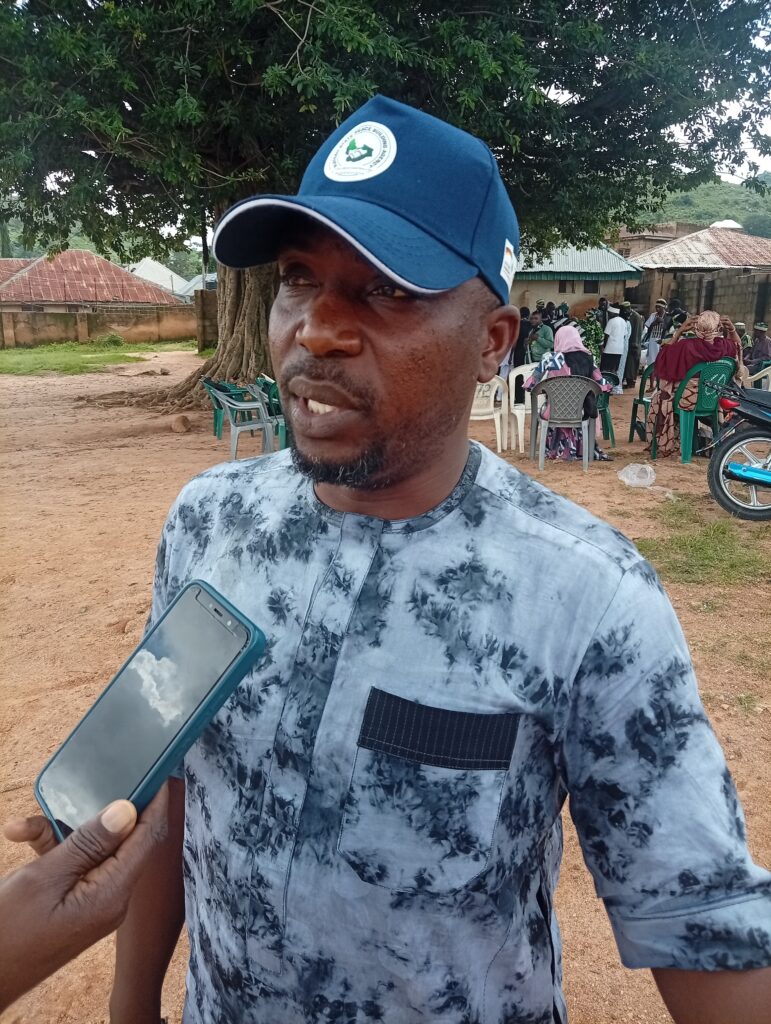
Delivering the opening remarks on behalf of the Director General of the Plateau State Peace Building Agency, Dr. Julie Sanda, the Director of Programmes, Mr. Nantip Joseph, said the “Peace Under the Tree” initiative was conceived to revive the traditional practice of resolving disputes through dialogue under a tree, as was common among the forefathers. He explained that the programme seeks to reconnect communities, especially the younger generation, with indigenous values of dialogue, mediation, and peaceful coexistence through collaboration with the Unique Centre for Peacebuilding and Trauma Healing. He noted that the three-day engagement brought together traditional rulers, political and religious leaders, youths, and members of the Afizere and Anaguta communities, who discovered that the values they share are far greater than the issues that divide them.
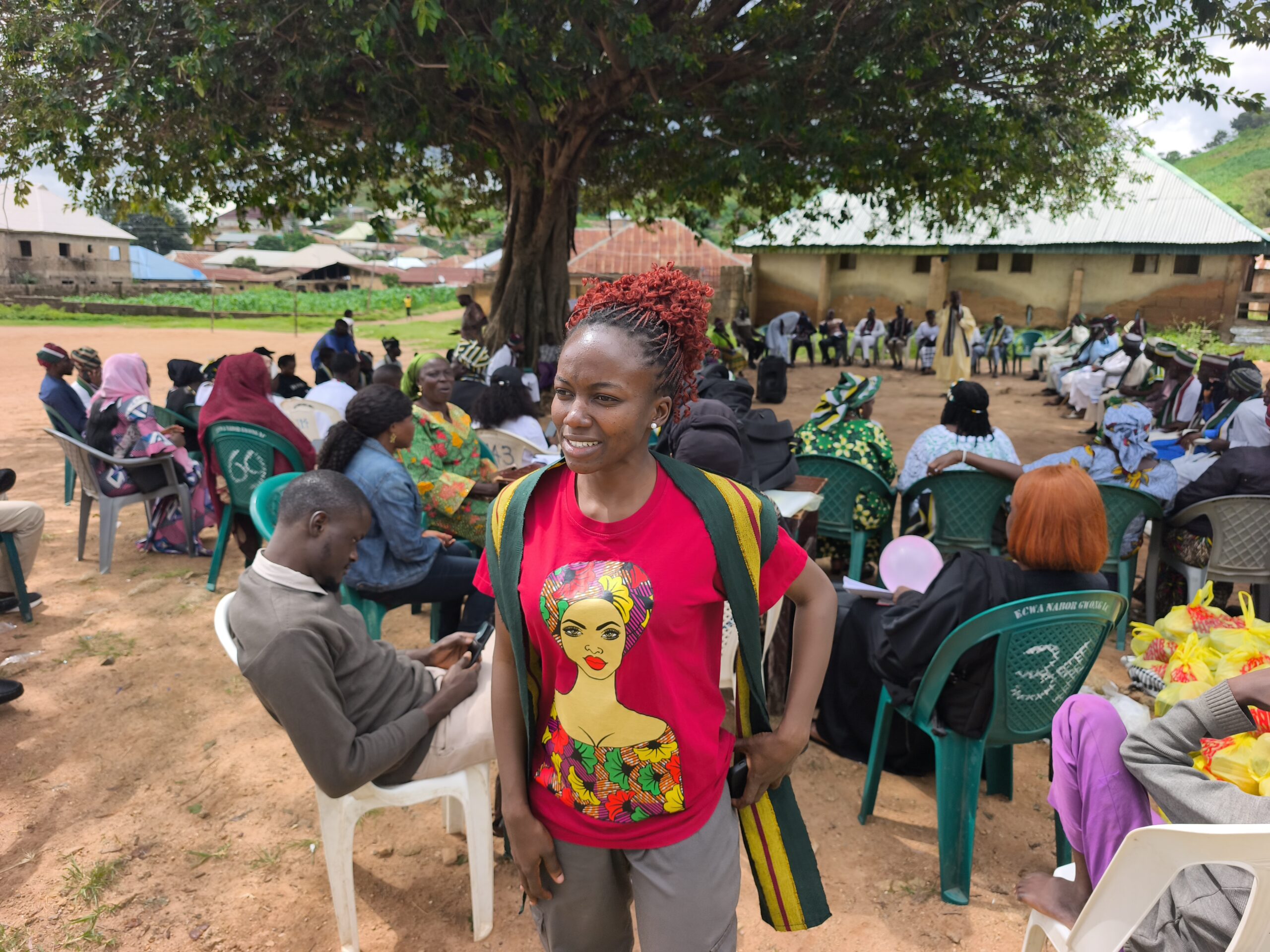
Speaking on the objectives of the programme, the Team Lead, Post-Conflict Rehabilitation and Recovery at the Plateau State Peace Building Agency, Barr. Plangna’an Silas Da’or, said the initiative was designed to revive indigenous conflict resolution mechanisms, promote restorative justice, and strengthen community reconciliation. She explained that the dialogue built on the agency’s earlier trauma healing intervention for survivors of the Angwan Rukuba Palm Sunday attack and provided an opportunity for participants to reflect on their shared history, identify the causes of division, rebuild trust, and chart a path towards lasting peace. She added that the programme would be followed by concrete action plans and youth-focused engagements to sustain the peacebuilding process.
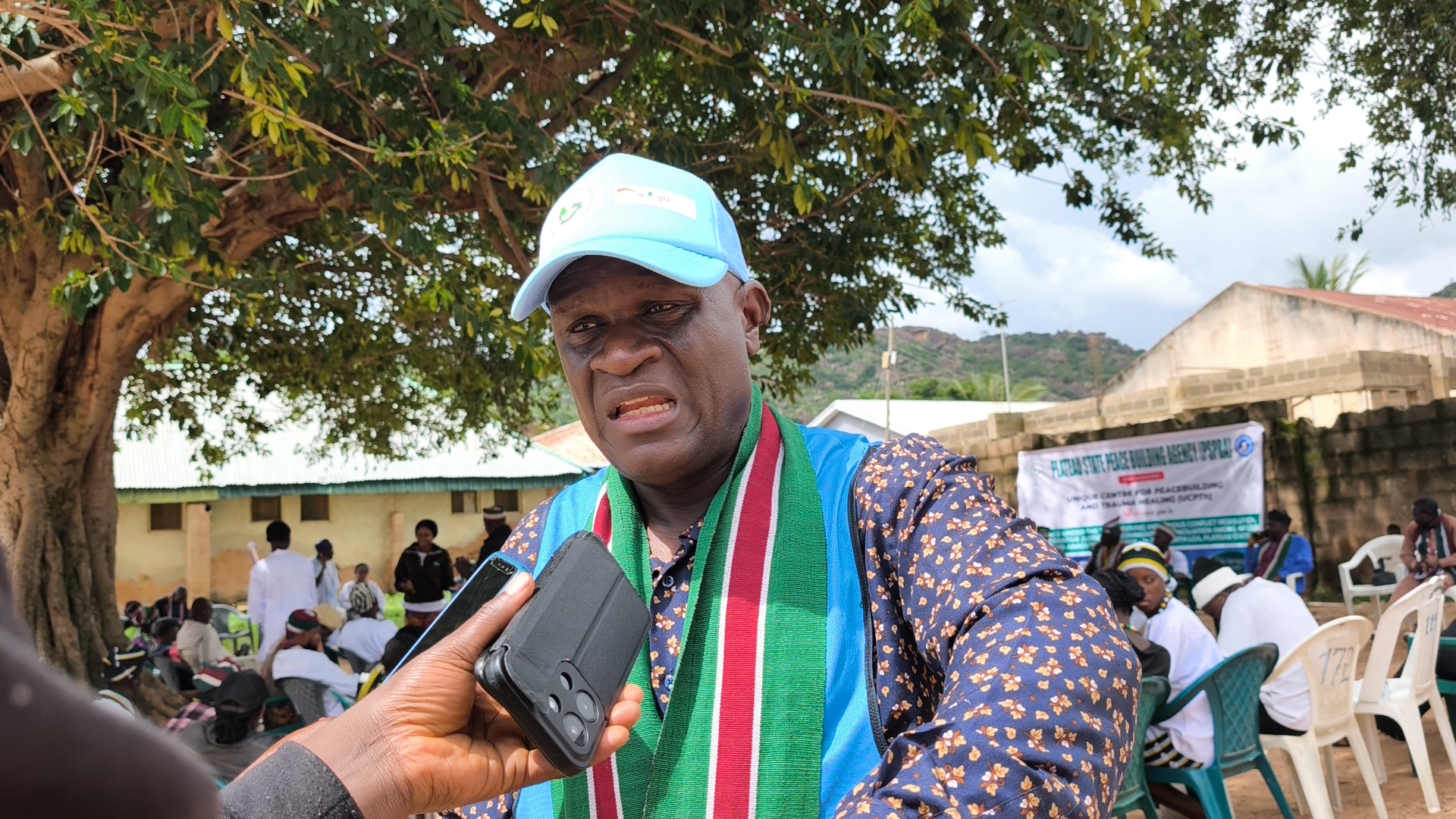
Also speaking, the Founder of the Unique Centre for Peacebuilding and Trauma Healing (UCPTH), Mr. Mugu Zakka Bako, described the “Peace Under the Tree” initiative as a return to Africa’s indigenous conflict resolution system, where communities peacefully resolved disputes through dialogue under a tree. He said the programme brought together elders, traditional rulers, and youths to revive shared history, promote the Itari covenant of mutual trust between the Afizere and Anaguta communities, and encourage participants to focus on the many values that unite them rather than the few issues that divide them. He commended the Plateau State Peace Building Agency for supporting the initiative and expressed optimism that the model would be replicated in other communities across the state.
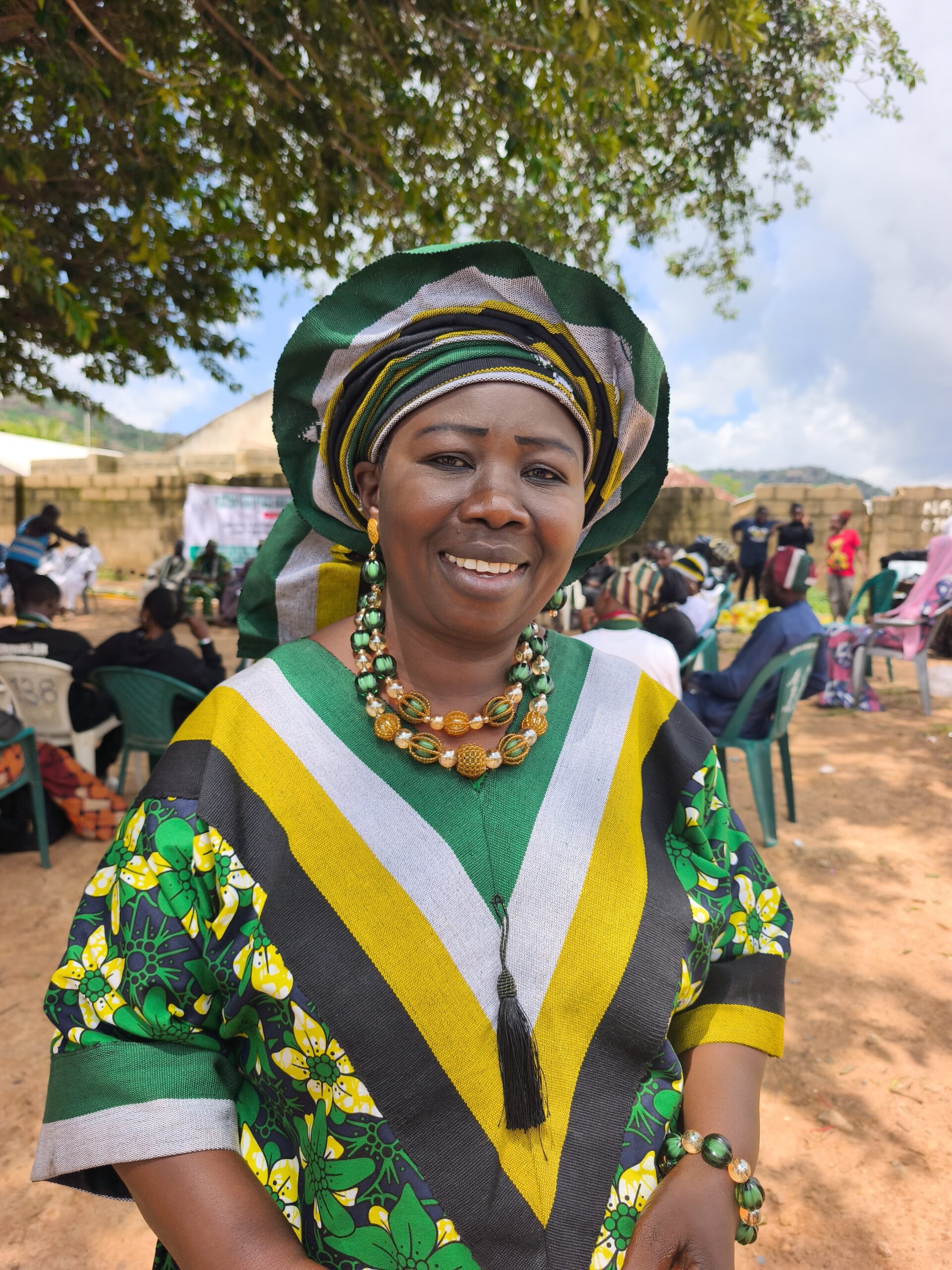
Participants from both communities described the dialogue as enlightening, transformative, and timely. Representatives of the Afizere community, including Mrs. Anna Musa Izang, Mr. Joseph Azi, Chairman of ACCDA, Fudawa, and Azi Lami Akare, said the programme deepened their understanding of the shared history between the Afizere and Anaguta people. They noted that the dialogue clarified that Itari is not a curse, as widely believed, but an ancient covenant of peace and mutual trust that binds the two communities together. They pledged to share the lessons learned with others, particularly the younger generation, and to promote unity, friendship, and peaceful coexistence.
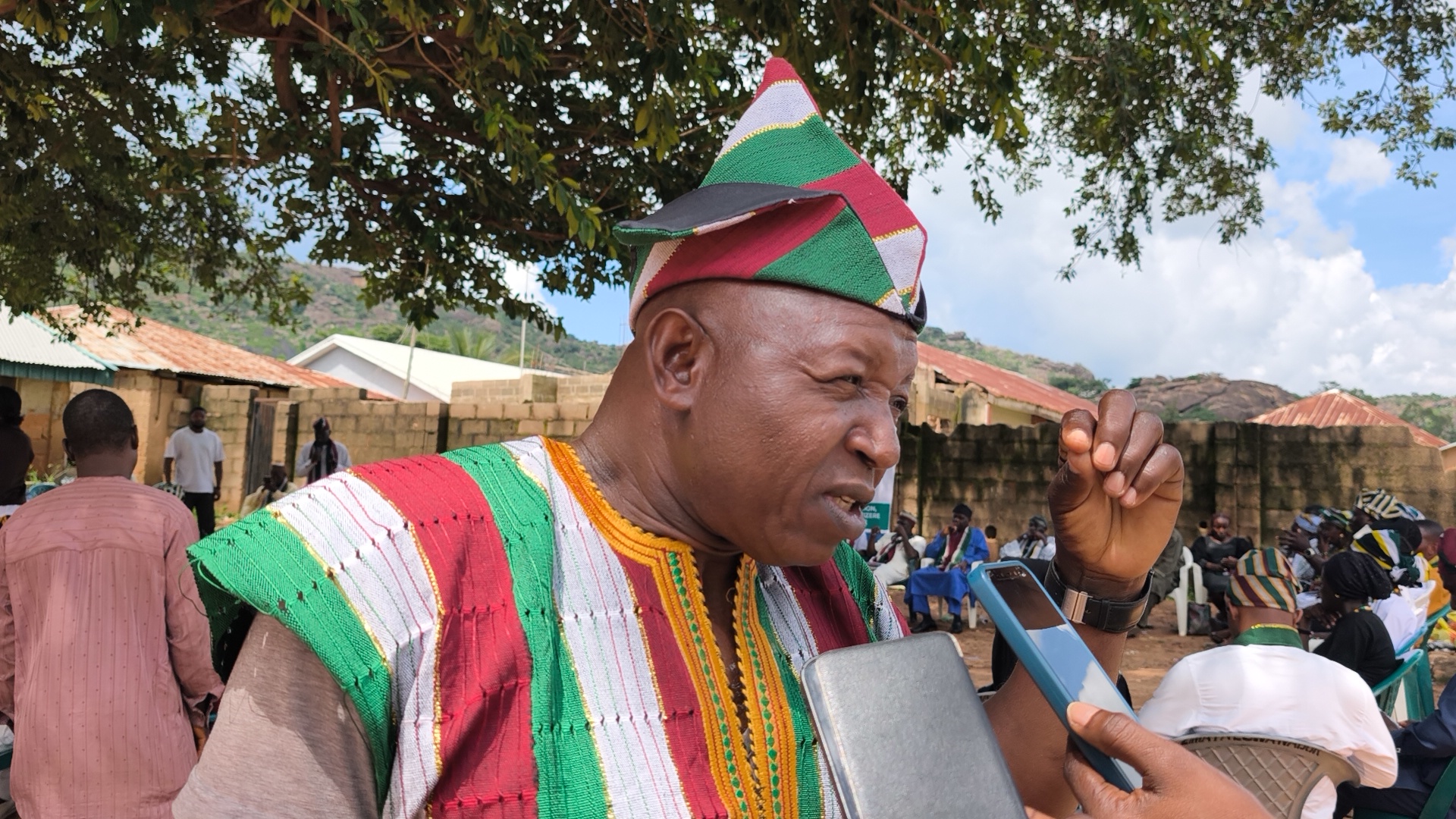
Similarly, participants from the Anaguta community, including Mrs. Arashi Bitrus Pada, Luka Gimbal and Builder Daniel Sani, described the engagement as an eye-opening experience that renewed their appreciation of the common heritage shared with the Afizere people. They stressed the importance of preserving indigenous values, educating young people on their true history, and strengthening the bonds that have sustained peaceful coexistence over the years.
In their separate remarks, His Royal Highness, Haruna Izang Itse of Afizere extraction of Fudawa and His Royal Highness, Bala Haruna, District Head of Nabor (Anaguta), commended the Plateau State Peace Building Agency and UCPTH for creating a platform that revived traditional methods of conflict resolution. They recalled how disputes were traditionally resolved through dialogue under designated trees, where elders deliberated with discipline, respect, and fairness.
They further explained that ‘Itari’ is a longstanding covenant of peace between the Afizere of Fudawa and the Anaguta people, established to promote honesty, mutual respect, and harmonious coexistence. While acknowledging that some aspects of the tradition have evolved over time, they maintained that its core values remain relevant and should continue to guide future generations.
At the end of the dialogue, participants unanimously adopted key action points to strengthen peaceful coexistence between the Afizere and Anaguta communities. They recommended a review of the Itari concept to accommodate inter-tribal marriages while preserving its original purpose of fostering unity and mutual respect. They also called for greater involvement of young people in preserving and promoting the authentic history and cultural values of both communities, as well as the institutionalisation of similar dialogue platforms to sustain reconciliation, deepen trust, and prevent future conflicts.
The three-day engagement demonstrated the enduring relevance of indigenous approaches to peacebuilding in addressing contemporary communal challenges. By reconnecting communities with their shared history, restoring trust, and encouraging inclusive dialogue, the initiative laid a solid foundation for lasting reconciliation and reaffirmed the commitment of the Plateau State Peace Building Agency and its partners to building a peaceful and united Plateau State.