BEYOND THE HEADLINES: THE TRUE STORY BEHIND AKWANGA-JOS-GOMBE ROAD AND FMC KANKE
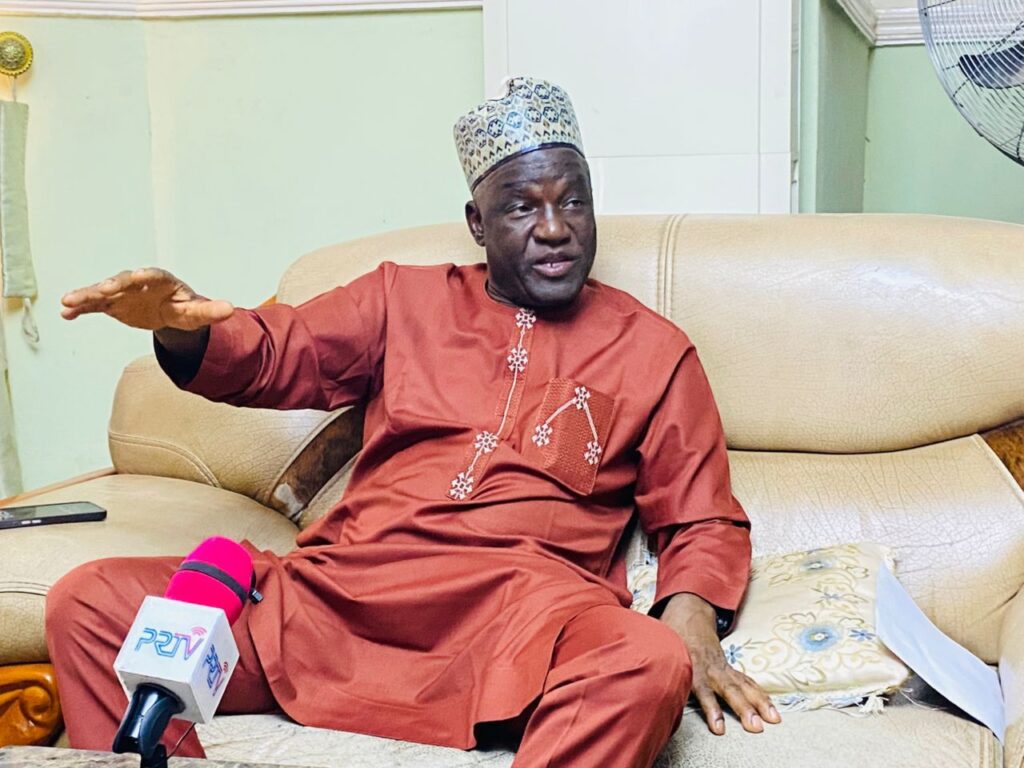
Senator Diket Plang of Plateau Central has recently addressed public discussions surrounding his involvement in the Akwanga–Jos–Gombe road project and the proposed Federal Medical Centre in Kanke, responding to claims that he was attempting to take undue credit for achievements that involved many actors. Speaking in a reflective and explanatory tone, the senator made it clear that his intention has never been to sideline the efforts of others but to clarify his specific legislative contributions within a broader collaborative process.
According to him, the Akwanga–Jos–Gombe road project did not originate in the current administration. It had earlier been approved during the Buhari government but later suffered delays due to funding challenges, particularly after foreign financing arrangements became difficult to sustain. By the time he entered the Senate, the project had become significantly more expensive as a result of inflation and exchange rate fluctuations, making it almost impossible to accommodate within the routine budgetary allocations of the Ministry of Works.
Plang explained that his key intervention was not to reintroduce the project as a fresh idea but to push for its recognition under the Tinubu administration’s Legacy Projects framework. This category, he noted, was created to fast-track major national infrastructure projects outside the limitations of normal budget cycles. He disclosed that while he initially brought a motion on the road, he later merged his efforts with a broader Senate motion that proposed extending selected national highways under the legacy scheme. This strategic alignment, he said, helped ensure that the Akwanga–Jos–Gombe road was formally captured among projects to receive accelerated attention.
He also made it clear that the success recorded so far cannot be attributed to him alone. The Plateau State Governor, Caleb Mutfwang, was acknowledged for playing a major role through sustained engagement with federal authorities and consistent advocacy for the project. Plang stressed that the road’s progress is the result of collective determination by federal and state actors working in harmony rather than individual ambition.
Further shedding light on the nature of the project, Plang revealed that the road is now expected to be developed beyond a standard dual carriageway into a six-lane highway, with three lanes on each side. This expansion, he said, reflects the strategic importance of the route as a major link between the North-Central and North-East regions. He added that discussions with contractors were already ongoing, signalling that the project is gradually moving from planning to execution.
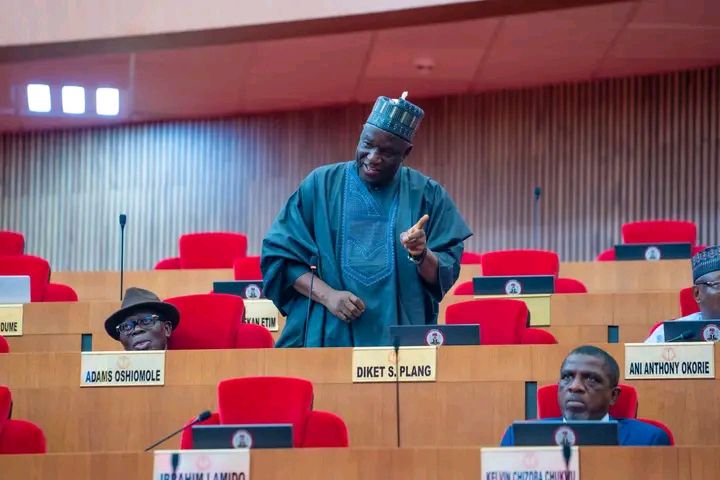
On the issue of the Federal Medical Centre in Kanke, the senator addressed misconceptions surrounding the legislative process. He clarified that federal medical centres are not created through standalone bills but through amendments to existing health establishment laws. His proposal for an FMC in Kanke, therefore, formed part of a wider amendment bill covering several centres across the country. He confirmed that his contribution passed through the required readings in the National Assembly and remains officially documented within the legislative framework.
Plang emphasized that establishing a tertiary health institution in Kanke would significantly improve access to specialised healthcare for residents of Plateau Central and neighbouring areas, including parts of Bauchi State and southern Plateau. He described the project as a critical intervention that would reduce pressure on existing hospitals and bring quality medical services closer to rural communities.
Beyond the projects themselves, the senator used the opportunity to call for a more mature and constructive political culture. He appealed to citizens and political actors alike to recognise that meaningful development is often the product of teamwork rather than individual heroics. In his view, public discourse should focus more on outcomes and less on personal rivalries or partisan sentiments.
In all, Senator Plang’s explanations present a picture of governance rooted in cooperation, strategic advocacy, and legislative responsibility. Rather than projecting personal glory, his narrative underscores the complexity of translating policy ideas into tangible development within Nigeria’s federal system, where success is built through sustained engagement, compromise, and shared commitment.