International Youth Day 2026: Different Contexts, One Common Aspiration as Plateau State Peace Building Agency Leads Youths in Building a Peaceful Plateau
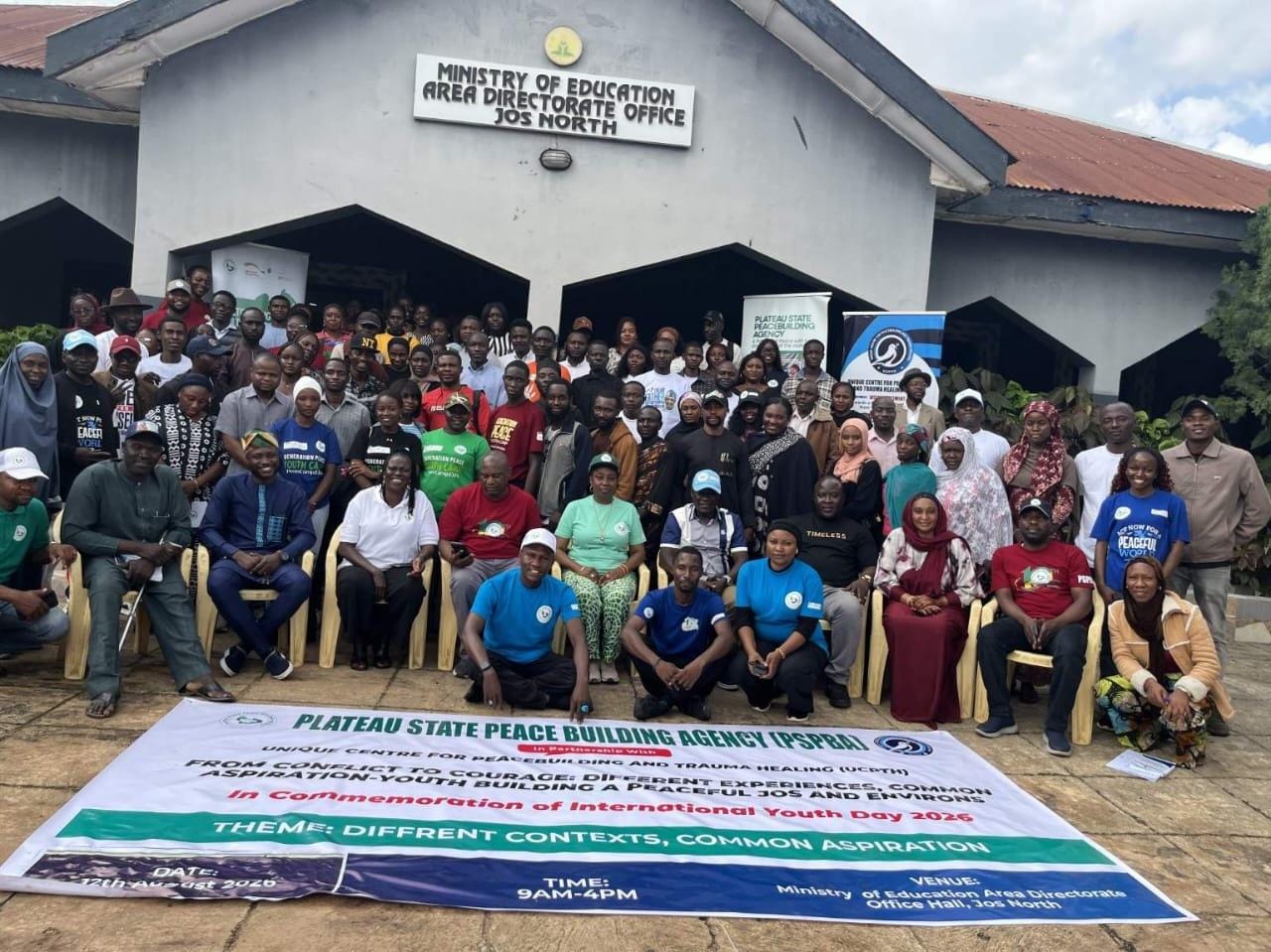
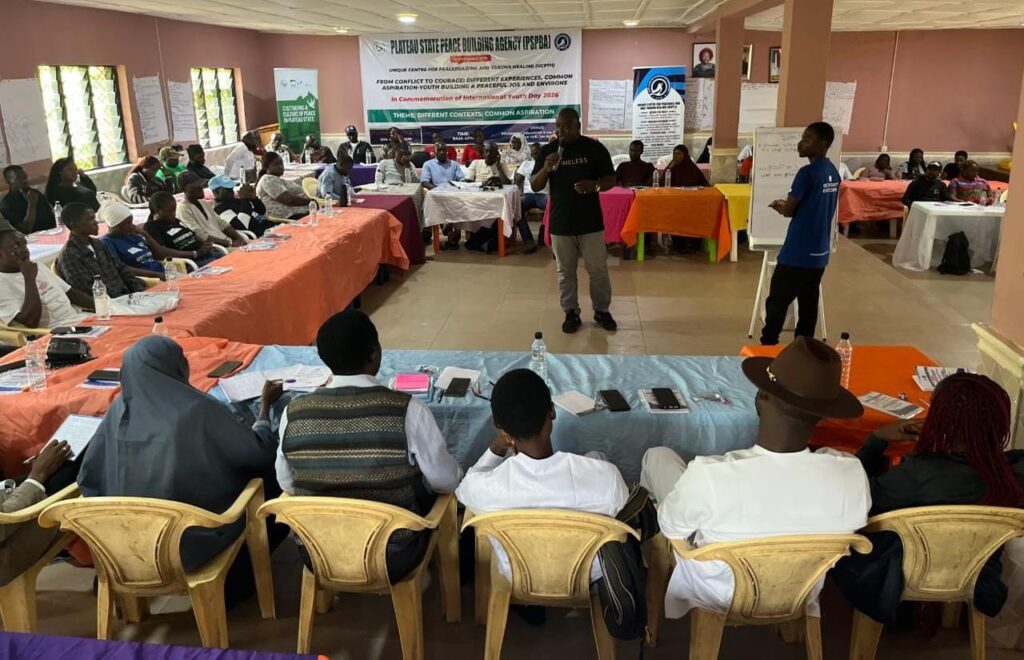
As Plateau State continues to navigate the painful memories and consequences of years of communal violence, a powerful message is emerging from its young people: they do not want to be known as foot soldiers of conflict; they want to be recognised as architects of peace. This message took centre stage as the Plateau State Peace Building Agency, in partnership with the Unique Centre for Peacebuilding and Trauma Healing (UCPTH), commemorated International Youth Day 2026 with the theme, “Different Contexts, Common Aspiration: Youth Building a Peaceful Jos and Environs.” The two-day engagement brought together youths from conflict-affected communities to reflect on painful experiences, celebrate acts of courage and develop practical commitments for building a more peaceful and united Plateau.
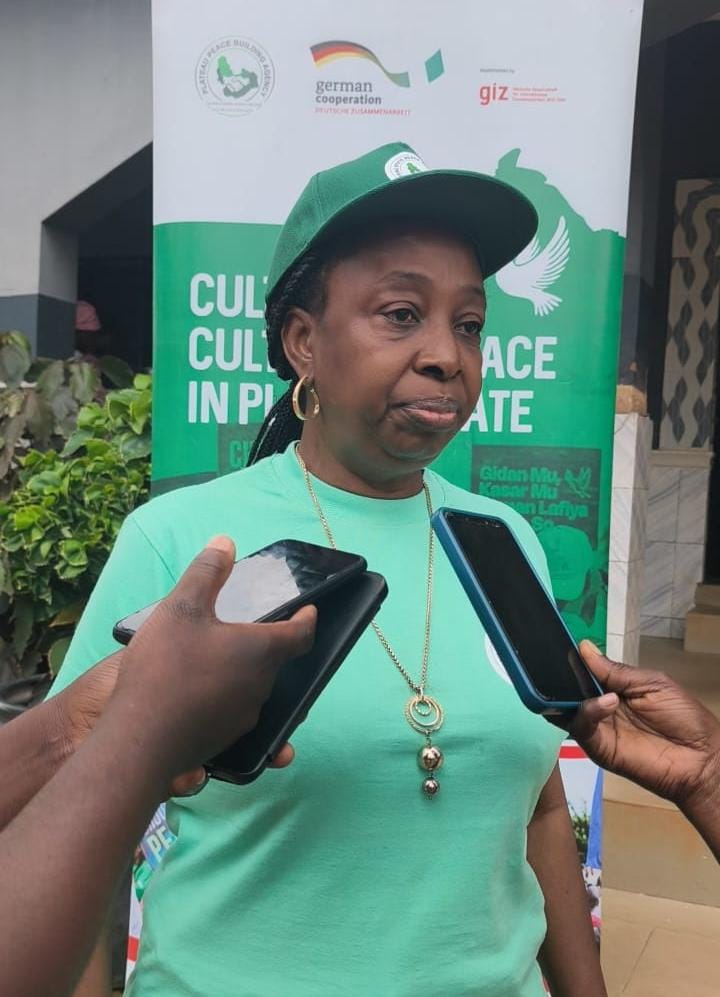
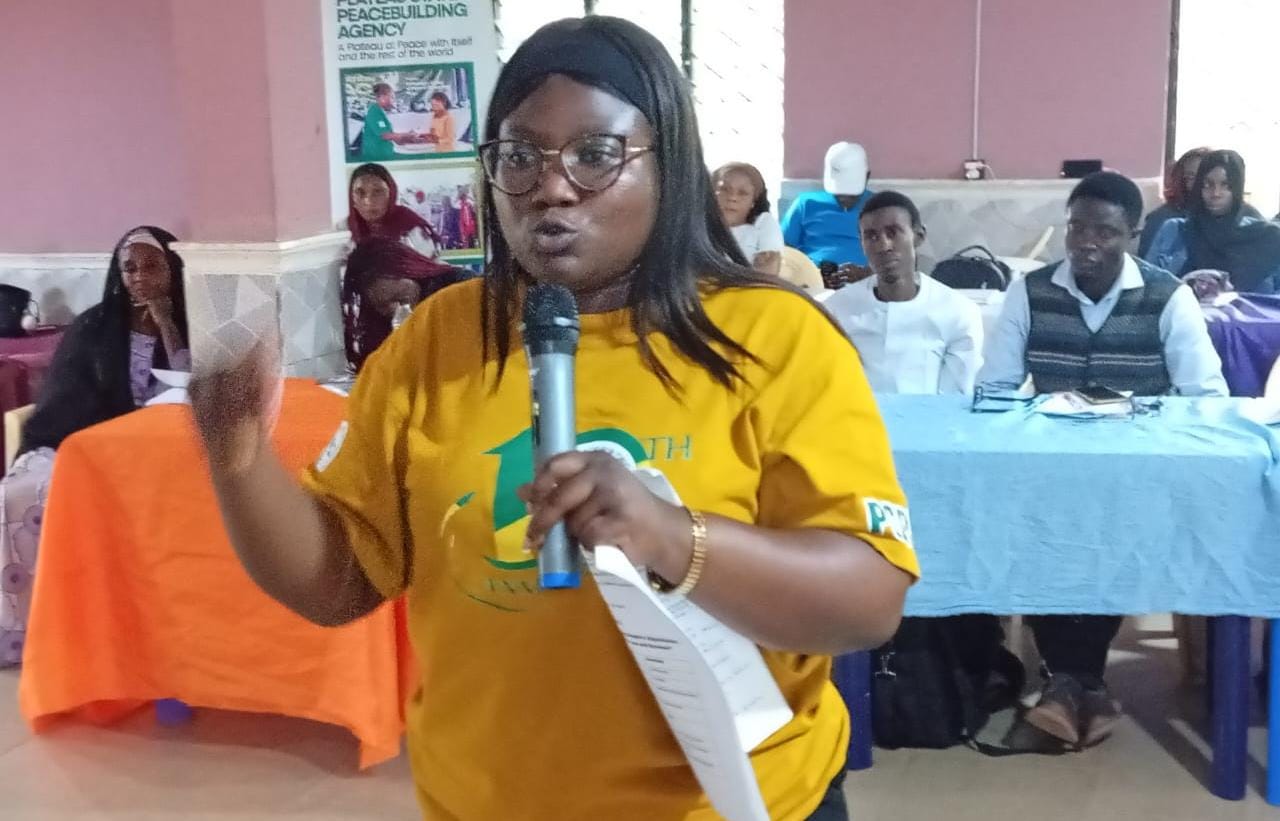
Speaking during the programme, Dr. Julie Sanda, Director-General of the Plateau State Peace Building Agency, described youths as critical partners and active peace actors rather than “foot soldiers” of violence. She stressed that young people are not merely leaders of tomorrow but leaders today, and should therefore be given meaningful opportunities to participate in peacebuilding. According to her, many youths are already making significant contributions to peace in their communities, while the responsibility of the agency is to strengthen their skills, mentor them and create platforms where they can share their experiences and inspire others.
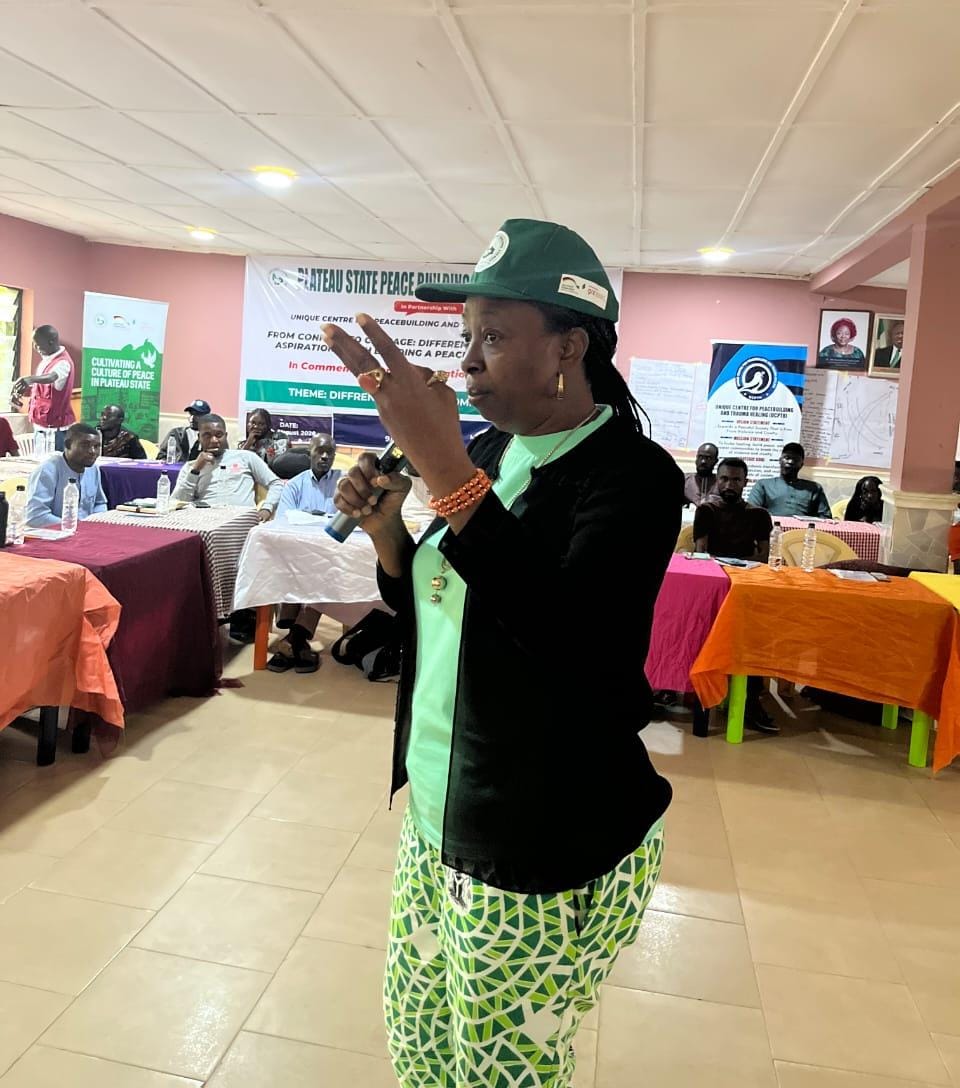
Against this backdrop, Dr. Sanda explained that the agency had, over the preceding three weeks, implemented a series of engagements in Jos North, particularly in response to the unfortunate Palm Sunday attack in Angwan Rukuba. The interventions were designed to rebuild social cohesion, address unresolved grievances and prevent further violence. The activities culminated in a two-day youth dialogue, which provided participants with a safe and empowering platform to reflect on the incident, including attempts at reprisals and the courageous interventions of youths who helped prevent further bloodshed. For the agency, the experience demonstrated that individual acts of courage, when multiplied across communities, can make a significant difference in maintaining peace.
Building on this, Barr. Plangna’an Silas Da’or, Team Lead, Post-Conflict Rehabilitation and Recovery at the Plateau State Peace Building Agency, explained that the youth dialogue was part of a broader series of integrated peacebuilding interventions. These included trauma healing and psychosocial support for victims and survivors of the Angwan Rukuba attack, as well as the “Peace Under the Tree” initiative, which brought together Anaguta and Afizere communities in Nabor and Fudawa to revive indigenous approaches to conflict resolution and reconciliation. The youth dialogue further provided an opportunity for young people from affected communities to recount how some of them risked their lives to rescue others and prevent reprisals after the lifting of the curfew. Youths from Dadin Kowa in Jos South were also invited to share their experience of maintaining peaceful coexistence despite years of tension and conflict in other parts of Plateau.
Importantly, Da’or noted that the dialogue revealed a powerful commonality beneath the different experiences of the participants. Although they came from different communities, faiths and backgrounds, they shared one aspiration: a peaceful, united and stable Plateau State. The International Youth Day celebration, which attracted about 120 youths from communities across the northern zone, also focused on the Youth, Peace and Security Agenda and the responsibility of young people in sustaining peace. As the political season approaches, participants were encouraged to recognise their influence and use it responsibly, particularly on social media, where misinformation, hate speech and inflammatory content can quickly fuel tension.
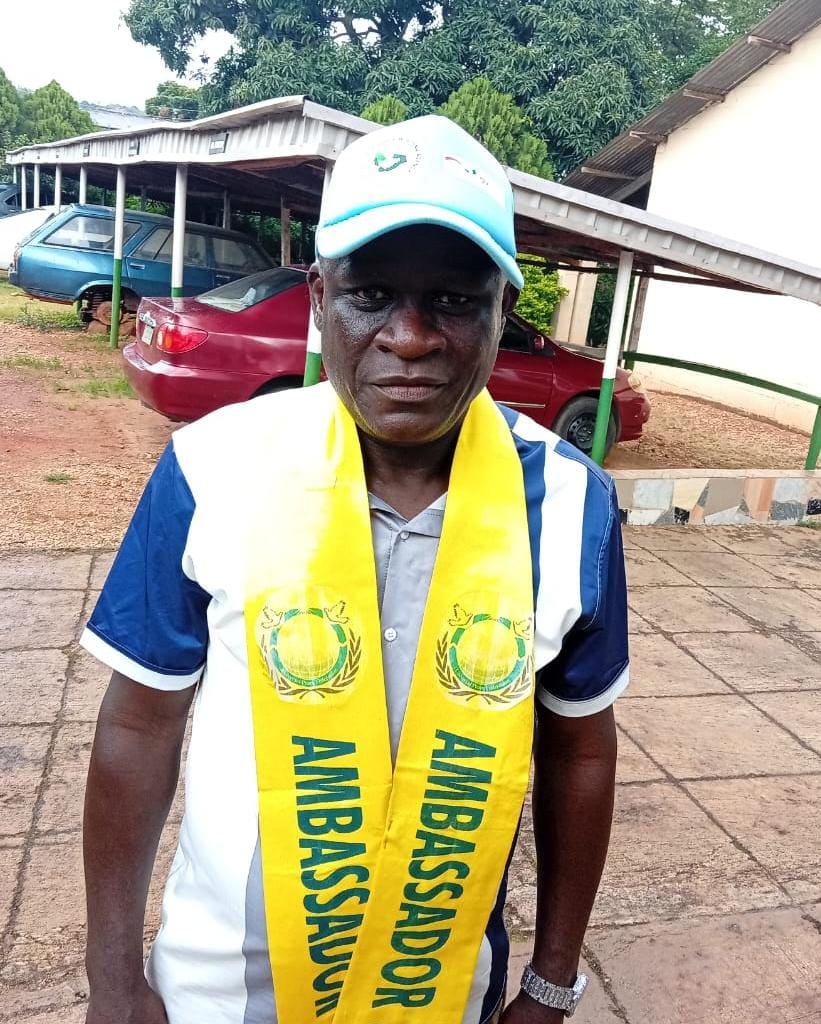
For Mugu Zakka Bako, Founder of the Unique Centre for Peacebuilding and Trauma Healing, the central message of the programme was simple but profound: young people must have the courage to say no to violence. He said the “From Conflict to Courage” initiative was designed to inspire youths to stand firm against killing, resist manipulation and become ambassadors of peace rather than agents of conflict. He highlighted the participation of youths from Dadin Kowa, who shared their experience of living peacefully for about 25 years, alongside young people who had rescued both Christians and Muslims during the Angwan Rukuba attack. Bako also recalled a previous intervention involving about 60 youths who were struggling with drug use and other harmful behaviours, noting that through football, training and purposeful engagement, many were transformed into responsible members of society and peace ambassadors. He therefore called on government to develop deliberate and sustainable programmes that engage, empower and positively transform young people, stressing that youths are not useless or unproductive, but one of the greatest resources available to society.
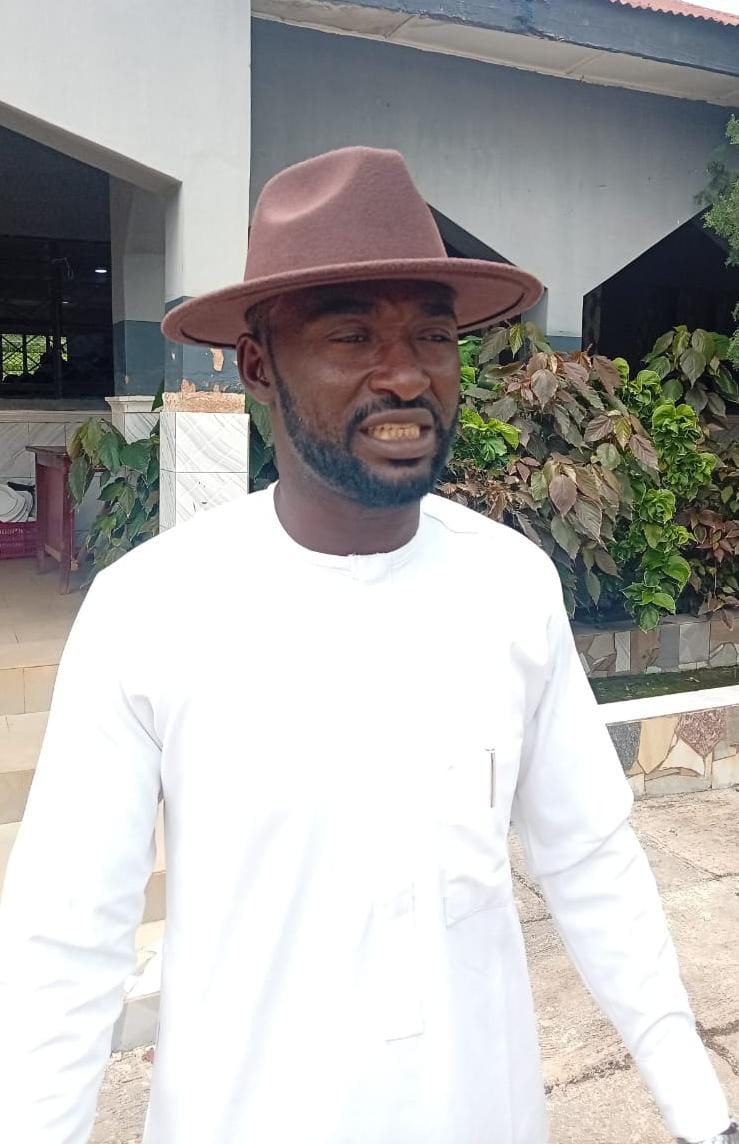
The lessons from the dialogue were further reinforced by Mr. John Mark, a representative of the Dadin Kowa community, who reflected on the devastating consequences of the crises that have affected Plateau State since 2001. He noted that countless women have been widowed and children orphaned, while some young people have been forced out of school because their families could no longer afford their education. Sharing experiences from communities including Angwan Rogo, Rikkos and Angwan Rukuba, he highlighted the courageous role played by youths in rescuing people during periods of violence. In contrast, he presented Dadin Kowa as an example of peaceful coexistence sustained by responsible elders, disciplined youths and respect for community leadership. He urged young people to remember that they are their brothers’ and sisters’ keepers and that no one has the right to take another person’s life.
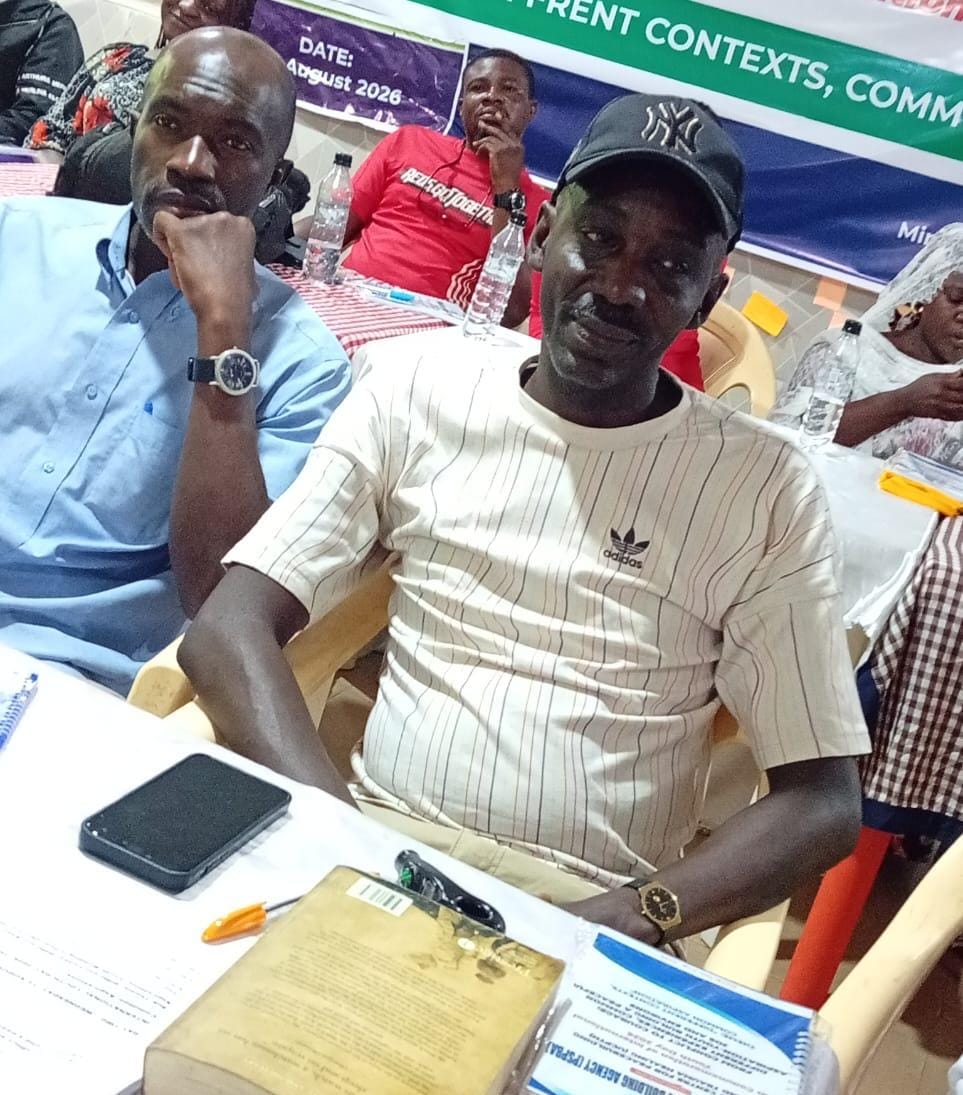
Similarly, Sani Nuhu Yusuf, a participant from Ali-Kazaure community, demonstrated how targeted youth engagement can turn potential threats into agents of positive change. He shared how young people who were once regarded as criminal-minded and vulnerable to drug abuse and other harmful behaviours were rehabilitated and reintegrated into society through football, entrepreneurship training and other constructive activities in partnership with Mugu Zakka Bako. According to him, the intervention has yielded encouraging results, with many of the youths abandoning drugs and destructive lifestyles and becoming responsible, productive members of their communities. His testimony reinforced the message that with the right support, opportunities and mentorship, young people can change the direction of their lives and positively influence others.
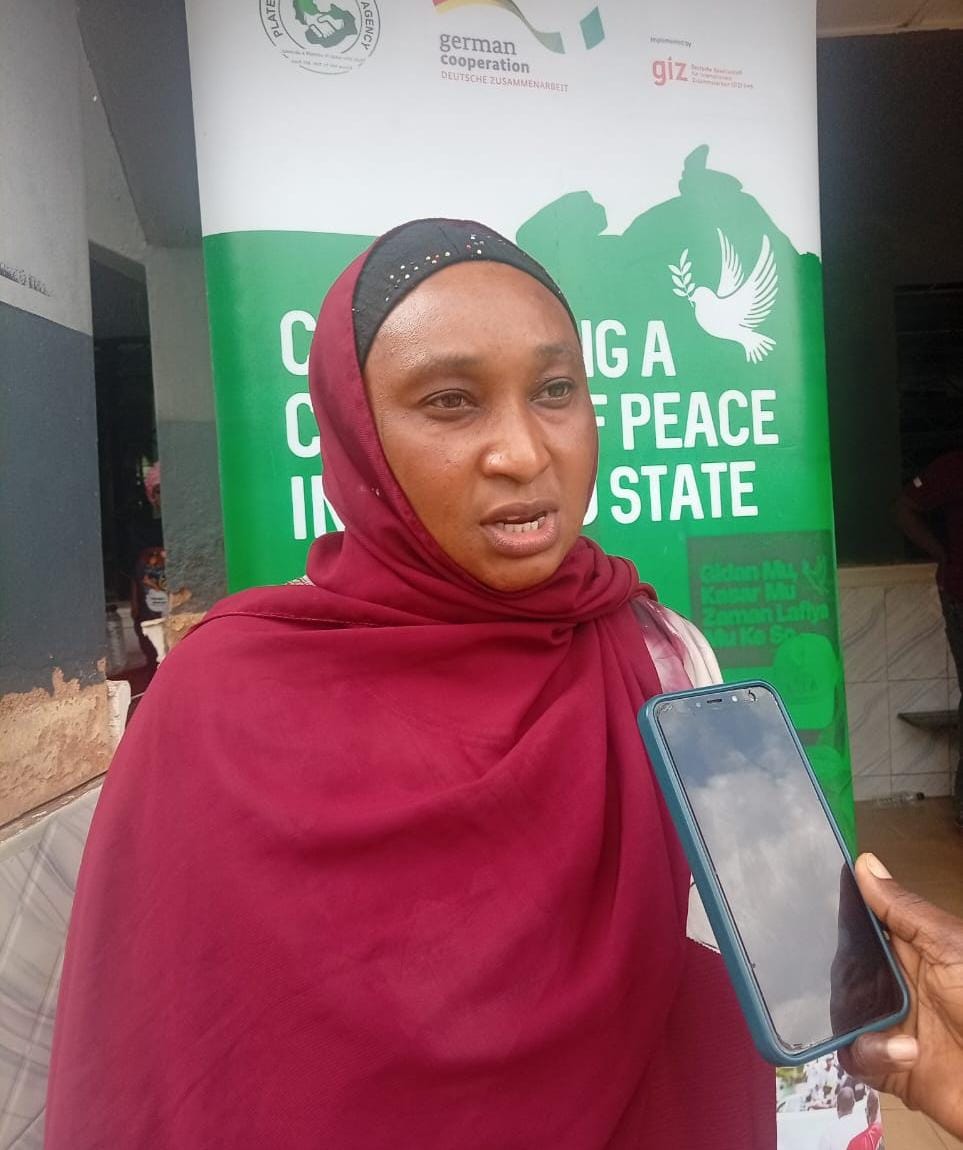
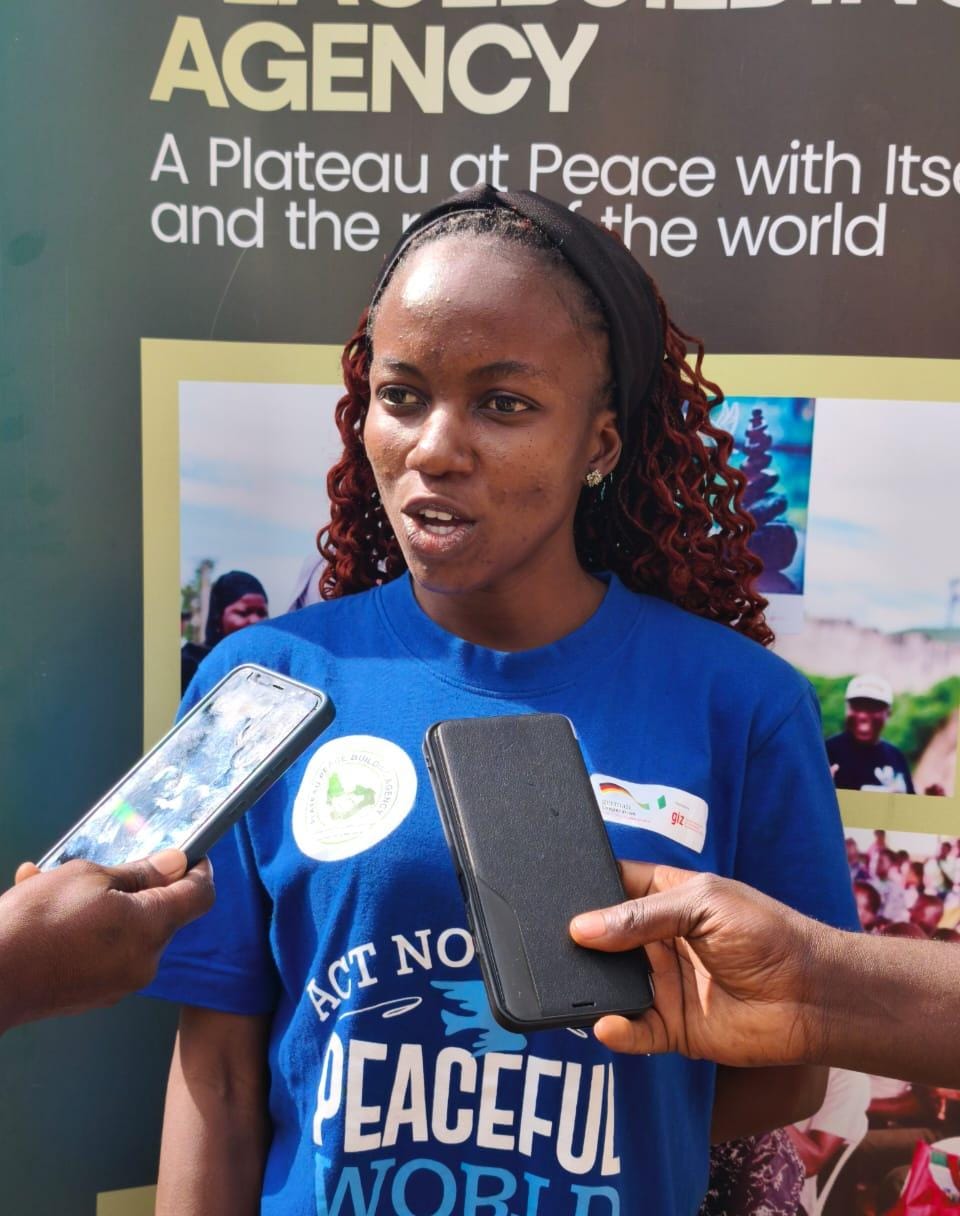
Meanwhile, Aisha Aliyu Usman of Sabon Layi community, who works with the Unique Centre for Peacebuilding and Trauma Healing, described the dialogue as an inspiring step towards a more peaceful Plateau. She observed that the engagement exposed gaps in communication among young people, particularly through social media, rumours and misinformation, while creating an opportunity for participants to address those challenges. The youths, she said, committed themselves to bridging these communication gaps, working together to identify and isolate individuals bent on causing trouble, and ensuring that positive voices prevail over those promoting violence. She expressed appreciation to the Plateau State Peace Building Agency for supporting the initiative and called for sustained collaboration to deepen peacebuilding efforts across the state.
Perhaps one of the most significant outcomes of the engagement was the youth action plan ahead of the 2027 general elections. Recognising the danger of political manipulation and violence, the participants resolved not to sell their votes or allow themselves to be recruited as political thugs. They pledged to sensitise their peers and communities on the dangers of political violence, advocate for strict adherence to electronic voting processes, encourage active civic participation and discourage political apathy. They also committed to responsible use of social media, rejecting misinformation, hate speech and inflammatory content while promoting issue-based political campaigns and holding political actors accountable.
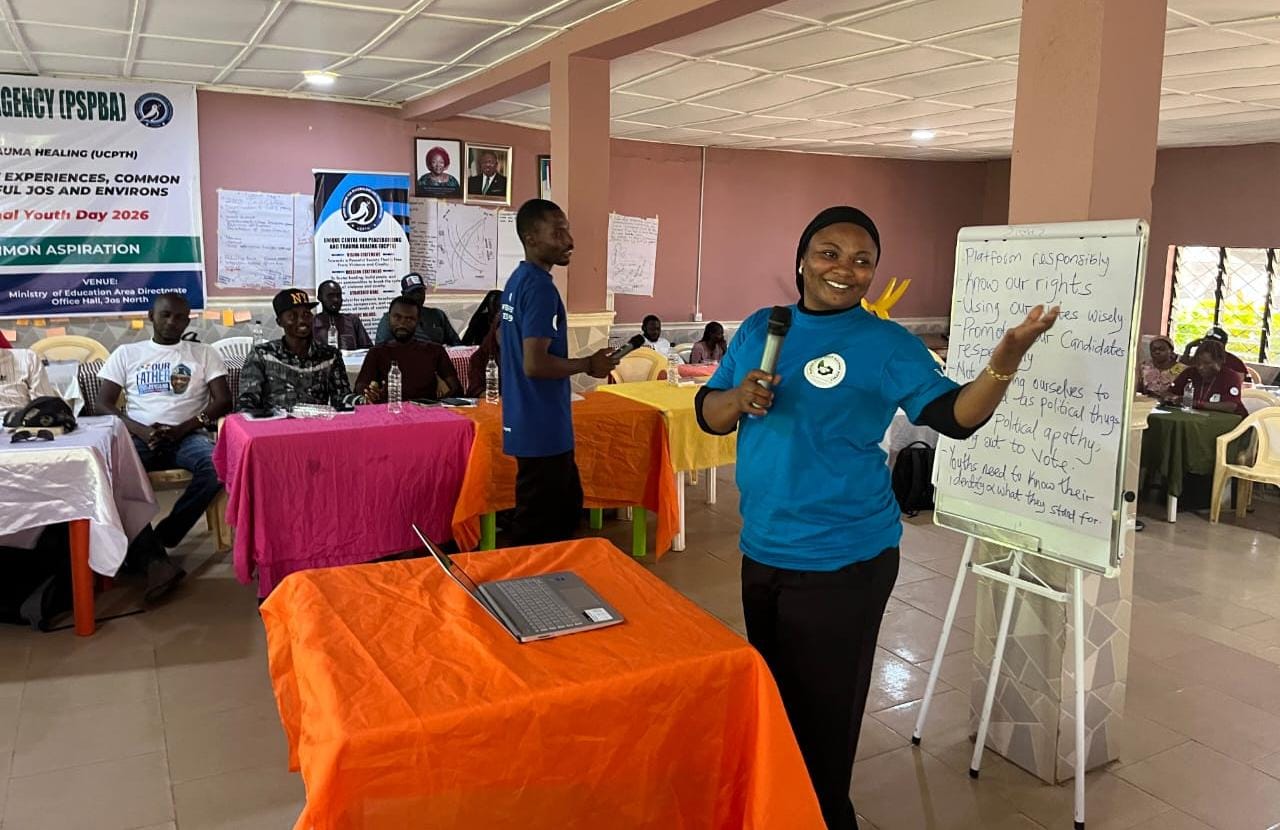
Ultimately, the International Youth Day engagement was more than a celebration; it was a call to action. From the stories of communities that chose peace to the testimonies of youths who risked their lives to save others, and from the rehabilitation of vulnerable young people to the commitments made ahead of the 2027 elections, one message stood out clearly: peace is possible when young people choose courage over violence and responsibility over manipulation.
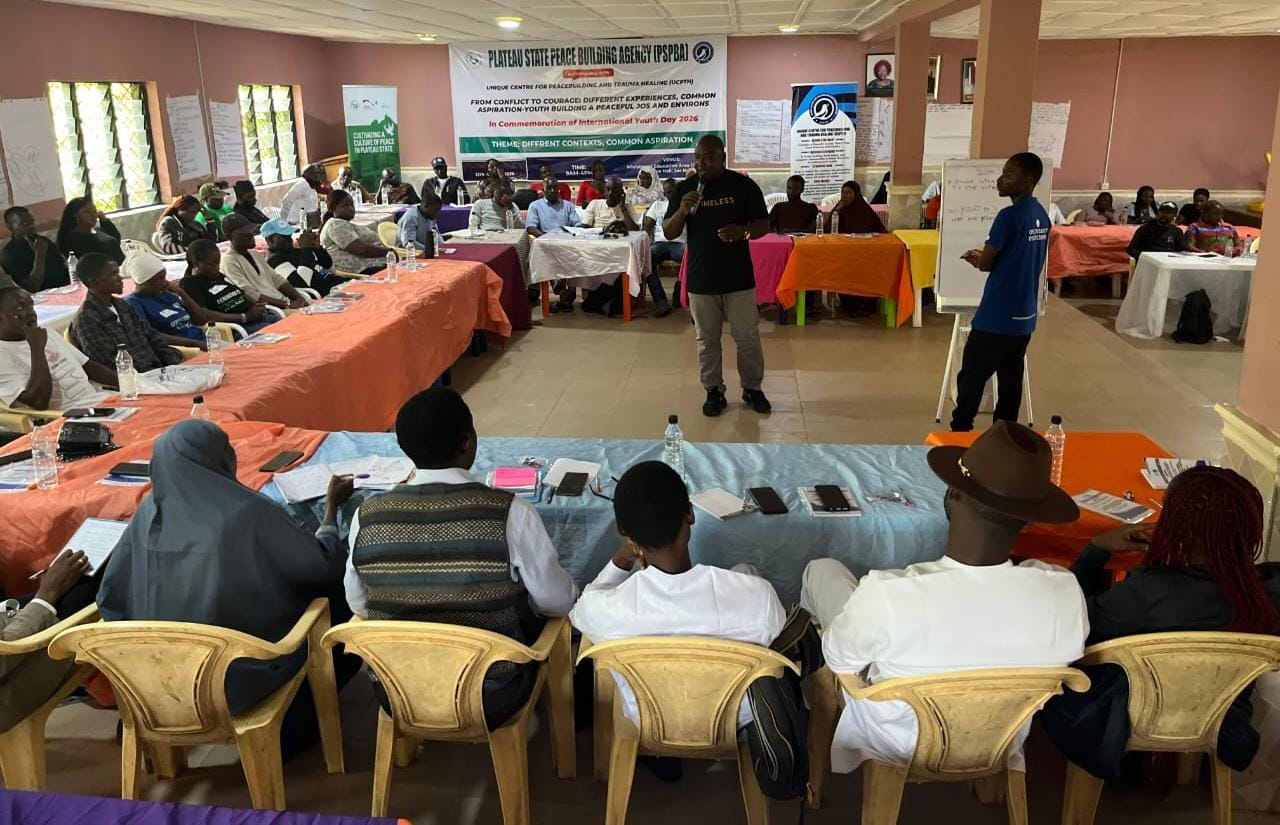
The programme demonstrated that while Plateau youths may come from different communities, faiths and experiences, their aspirations are remarkably similar. They want safe communities, opportunities, dignity, meaningful participation and a future free from violence. As Mugu Zakka Bako aptly reminded the participants, “We have only a today, and our today will make up for tomorrow.” The challenge, therefore, is not simply to celebrate the youth, but to empower them, trust them and give them the tools to build the peaceful Plateau they aspire to inherit and leave behind.