Multi-stakeholder collaboration at its best—advancing security, justice, and sustainable peace in Plateau State
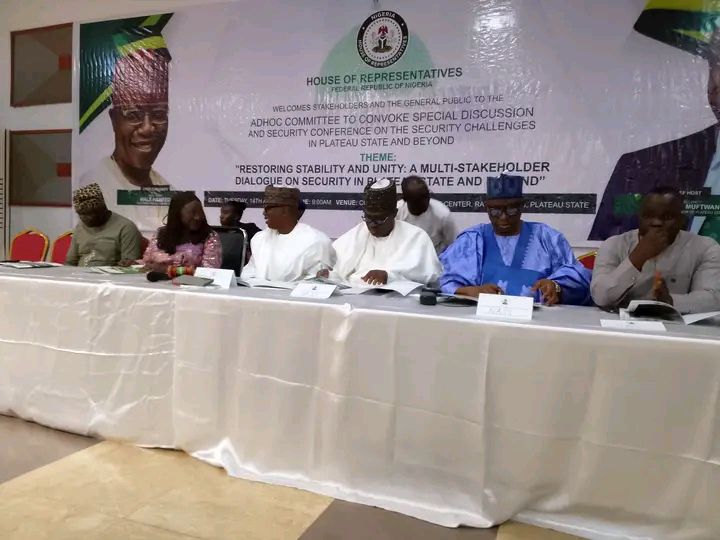
The Special Dialogue and Security Conference themed “Restoring Stability and Unity: A Multi-Stakeholder Special Dialogue on Security in Plateau and Beyond” brought together key actors, policymakers, and community leaders in a timely and strategic effort to address the persistent security challenges confronting Plateau State and the nation at large. At a time when peace and unity remain critical to national development, the conference served as a vital platform for reflection, collaboration, and the formulation of actionable solutions aimed at restoring lasting harmony.
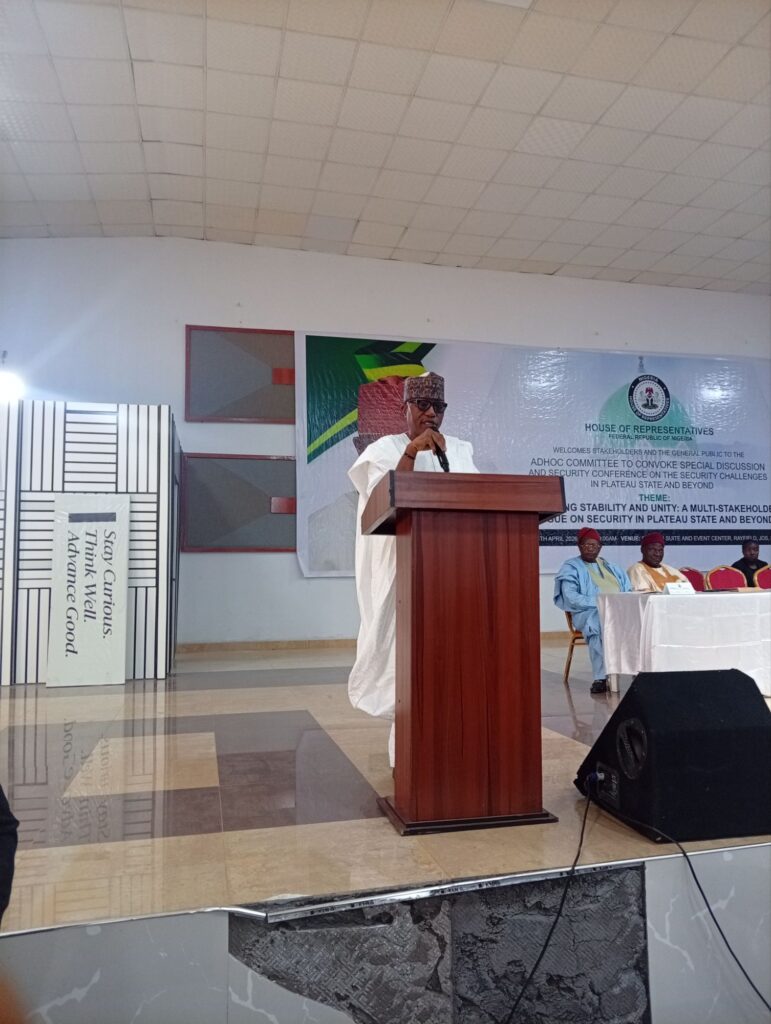
In this regard, Hon. Dr. Adewale Hameed, Chairman of the House of Representatives Ad-hoc Committee on Security in Plateau State, delivered a compelling address emphasizing the urgent need for collective action. He acknowledged the presence of distinguished government officials, stakeholders, and the resilient people of Plateau State, noting that the committee was constituted in response to the prevailing security concerns. Furthermore, he highlighted the commitment of the Federal Government and the National Assembly through strengthened security operations, legislative backing, and humanitarian interventions. More importantly, he stressed that sustainable peace cannot be achieved through force alone but must involve inclusive participation from government institutions, traditional and religious leaders, security agencies, civil society, and local communities. Consequently, he called for sustained dialogue, strengthened local conflict resolution mechanisms, justice, and openness, expressing confidence that unity and shared responsibility will ultimately yield lasting peace.
Similarly, in the opening remarks delivered by Hon. Chief John Dafang on behalf of the Speaker of the House of Representatives, Rt. Hon. Abbas Tajudeen, it was underscored that peace in Plateau State is indispensable to Nigeria’s overall stability. He described the conference as a significant national intervention aimed at addressing decades of violence that have resulted in loss of lives, destruction of property, displacement of communities, and deep societal wounds. Moreover, he clarified that the crisis is multifaceted, stemming from historical grievances, land disputes, marginalization, weak conflict resolution systems, and criminal activities, rather than being solely rooted in ethnic or religious differences. Therefore, the National Assembly reaffirmed its commitment to enhancing security through effective legislation, oversight, and strategic collaboration, with a focus not only on restoring order but also on rebuilding trust, ensuring justice, and establishing sustainable peace frameworks.
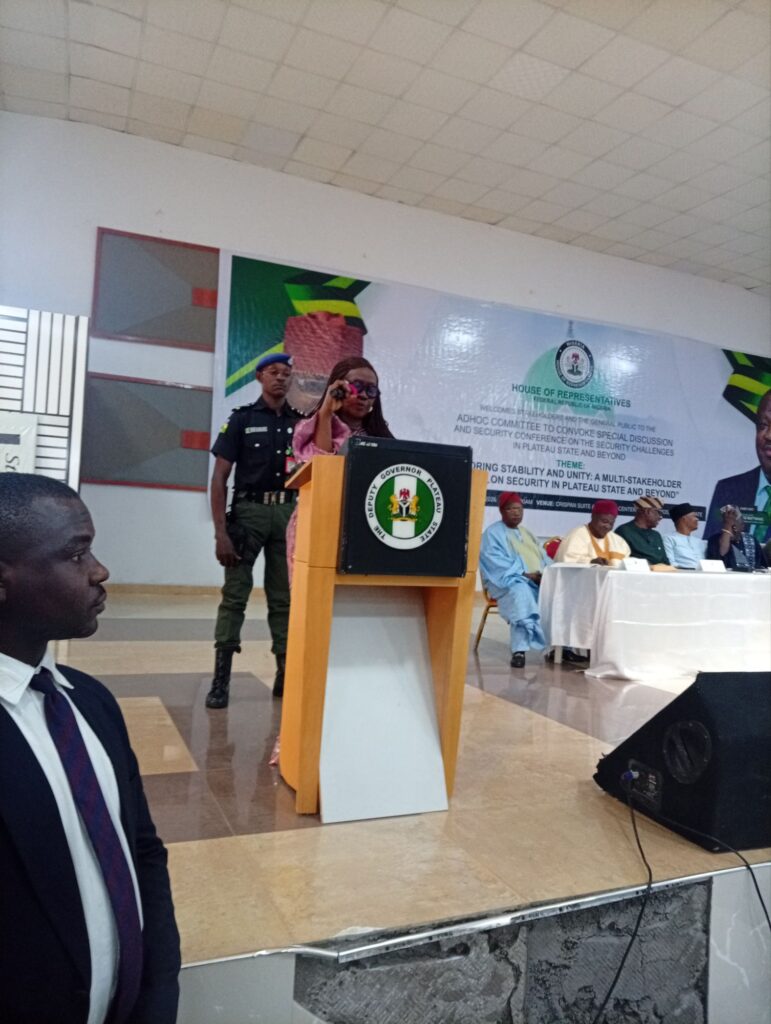
In addition, the keynote address delivered by the Deputy Governor, Ngo Josephine Piyo, on behalf of Governor Caleb Mutfwang, further reinforced the need for coordinated and strategic responses. The address acknowledged the longstanding nature of the crisis while emphasizing ongoing efforts by the present administration. These include the revitalization of Operation Rainbow, deployment of modern surveillance technologies, improvement of security logistics, and strengthening of rapid response mechanisms. At the same time, the government stressed the importance of non-violent approaches, particularly dialogue and reconciliation through the Interfaith Advisory Council. As a result, these combined initiatives have contributed to relative peace in some areas, although sporadic attacks in rural communities remain a concern.
Furthermore, Dr. Adewale Hameed chaired the session of presentations by Plateau State stakeholders, where diverse perspectives, discussions, and practical recommendations were shared on sustaining peace within the state and beyond. Participants included representatives from the Plateau State Government, the Plateau State Caucus of the House of Representatives, the Plateau State House of Assembly, the Judiciary, Local Government Chairmen, Security Agencies, Religious and Community Leaders, the Traditional Council, PIDAN, Youth Leaders, Civil Society Organisations, as well as academics and researchers. In addition, breakout sessions were held, focusing on critical areas such as governance and security, community engagement and social cohesion, and economic development alongside youth empowerment, all of which are essential pillars for long-term peacebuilding.
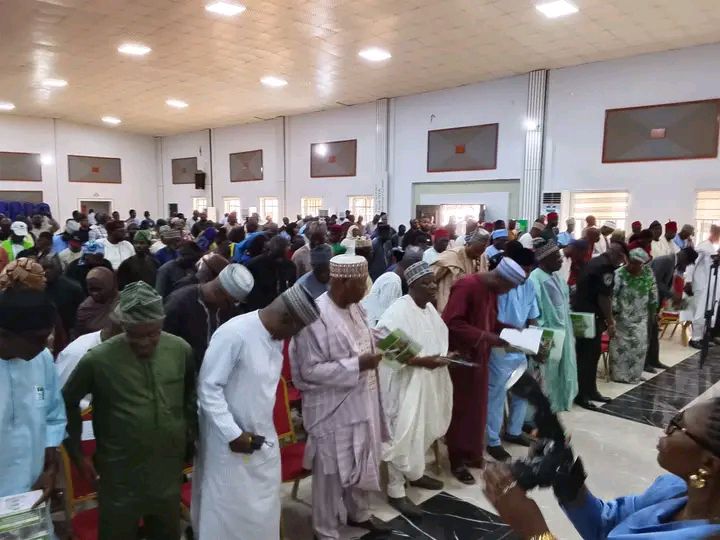
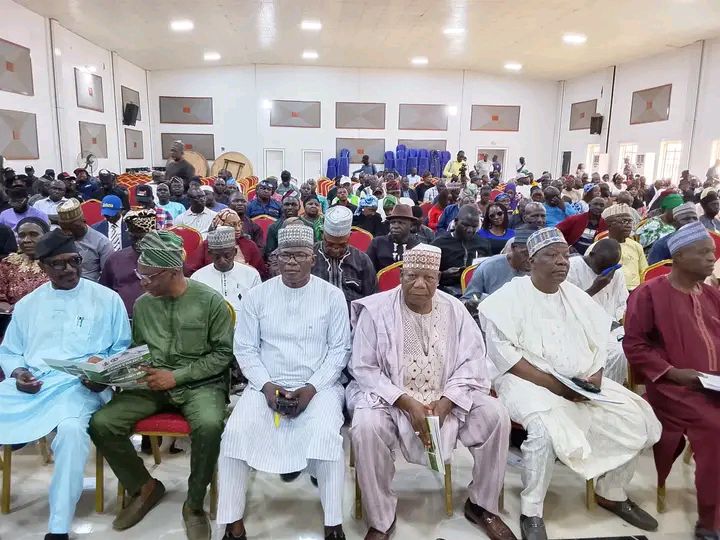
In conclusion, the conference not only highlighted the complexity of the security challenges in Plateau State but also reaffirmed a shared commitment among all stakeholders to work collaboratively towards sustainable peace. Through continuous dialogue, inclusive governance, strengthened institutions, and collective responsibility, there is renewed hope that Plateau State can overcome its challenges and emerge as a model of unity, resilience, and lasting stability.