Plateau Communities Endorse State Police, Call for Strong Regulatory Framework
Stakeholders from the Southern and Central Senatorial Zones of Plateau State have thrown their weight behind the proposed establishment of State Police in Nigeria, describing the initiative as a timely response to the country’s persistent security challenges.
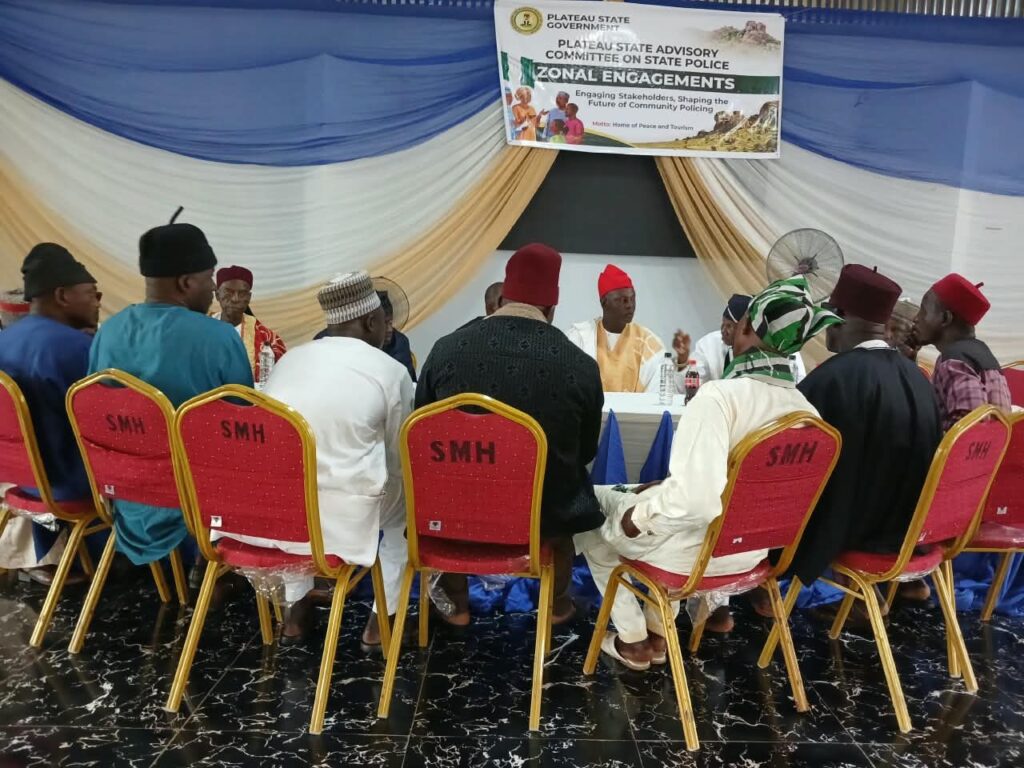
The endorsement was made during separate consultative meetings organised by the Plateau State Advisory Committee on State Police as part of ongoing national consultations on the proposed constitutional amendment to allow states to establish their own police structures.
Held under the theme, “Engaging Stakeholders, Shaping the Future of Community Policing,” the consultations brought together traditional leaders, community representatives, government officials and other stakeholders from the affected Local Government Areas.
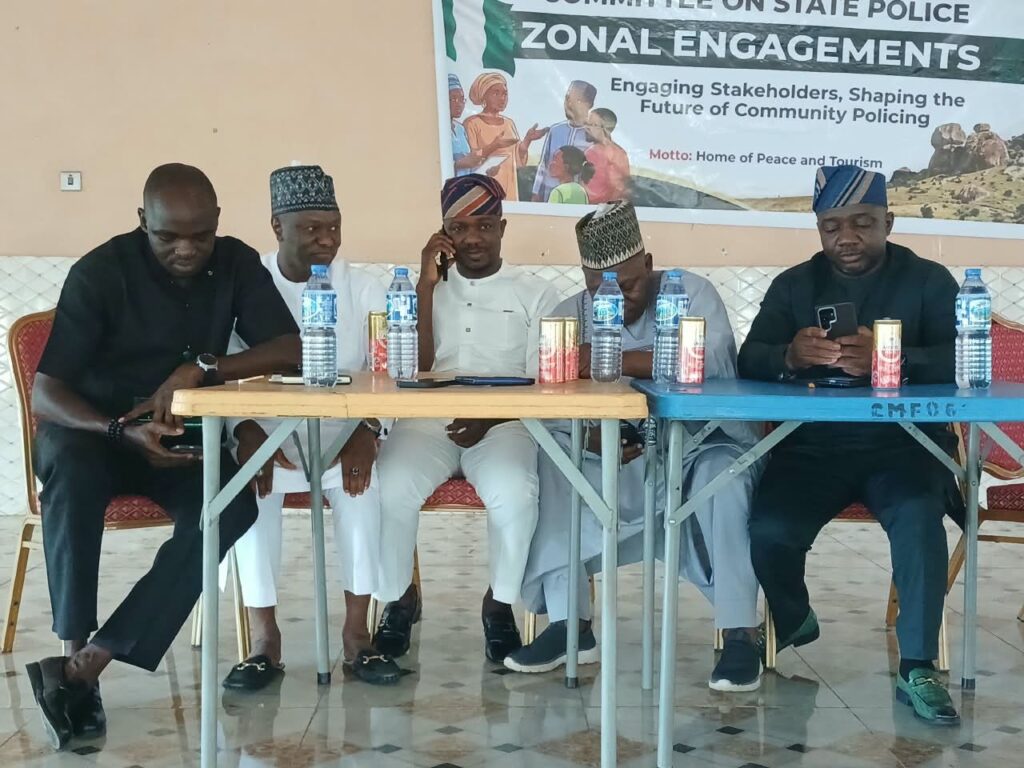
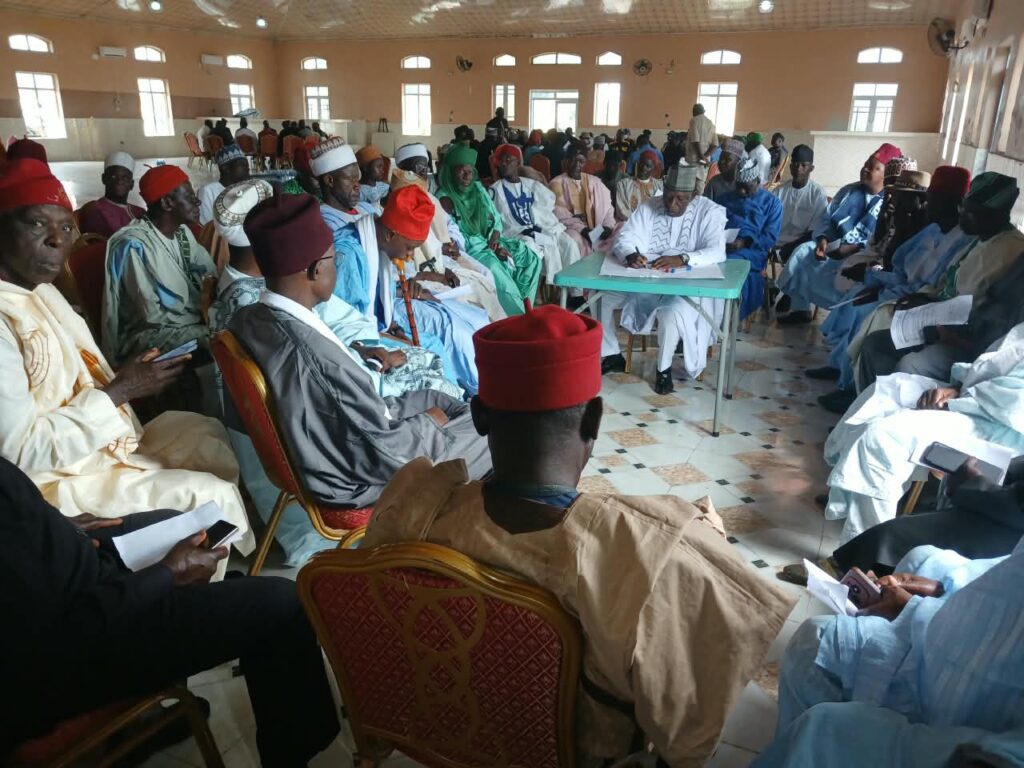
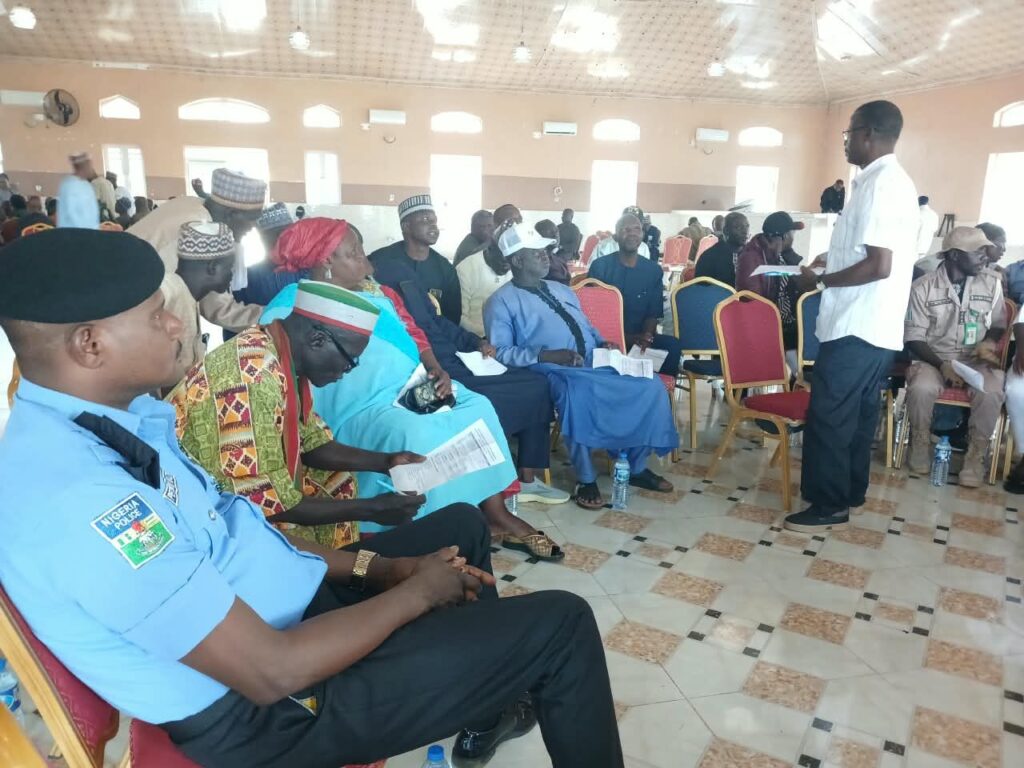
The first meeting was held in Shendam, with delegates drawn from the six Local Government Areas of the Southern Senatorial Zone—Qua’an Pan, Shendam, Wase, Mikang, Langtang North and Langtang South. A similar meeting was held in Pankshin for delegates from the five Local Government Areas of the Central Senatorial Zone—Bokkos, Mangu, Kanam, Pankshin and Kanke.
At both meetings, the stakeholders unanimously adopted the proposed amendment to the 1999 Constitution, paving the way for the establishment of State Police structures to complement the existing federal policing system.
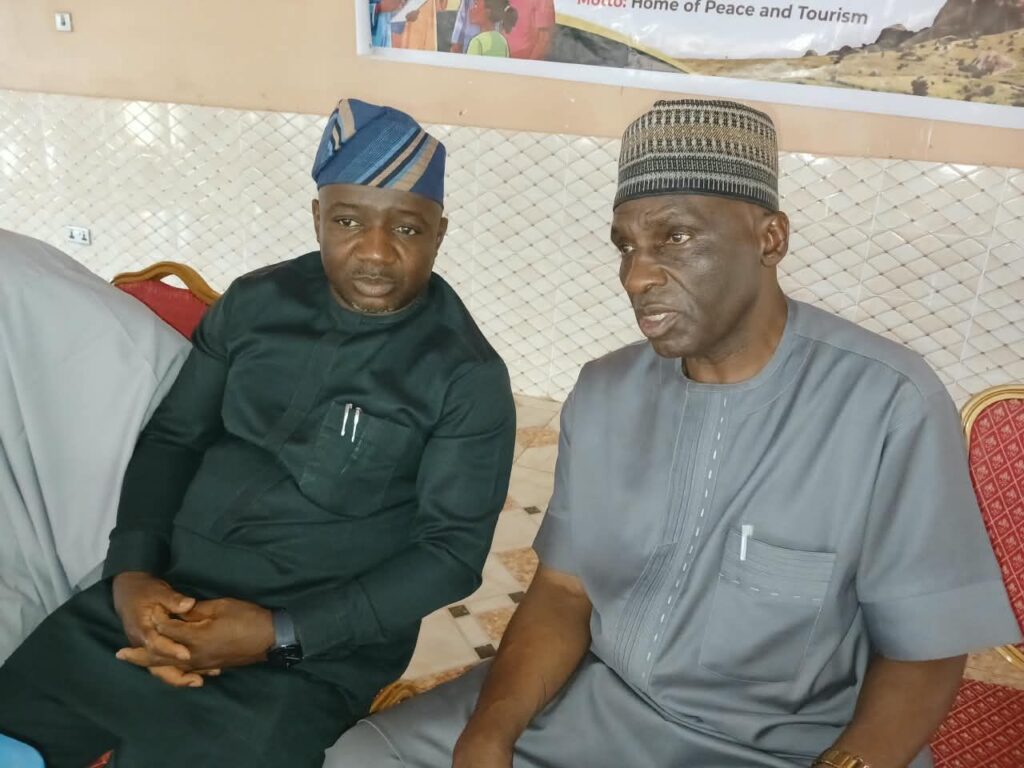
Addressing the stakeholders, Chairman of the Plateau State Advisory Committee on State Police, Deputy Inspector General of Police, DIG Habila Joshak (Rtd.), said the proposed constitutional amendment was driven by the need to strengthen Nigeria’s security architecture in view of the persistent security challenges confronting the country.
According to him, State Police would complement the efforts of the Nigeria Police Force by bringing policing closer to the people and strengthening intelligence gathering, community engagement and timely response to distress situations.
DIG Joshak, however, noted that the establishment of State Police should not be viewed as an immediate solution to all the country’s security challenges. He expressed the view that its effectiveness would largely depend on the cooperation of citizens and the existence of appropriate safeguards to prevent abuse.
The former police boss also urged stakeholders to guard against corruption, nepotism and other practices that could undermine the proposed system. He said the committee would recommend a firm regulatory framework to the state government to address potential excesses associated with the establishment and operation of State Police.
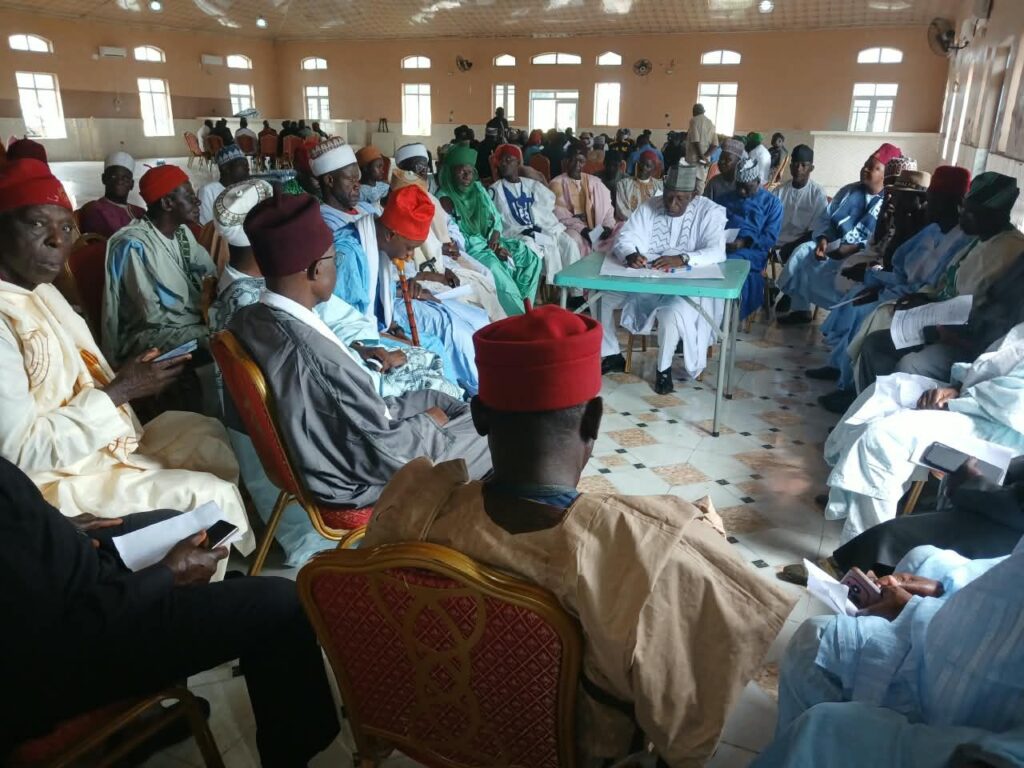
While endorsing the proposal, stakeholders across the two senatorial zones emphasised the need for adequate safeguards to protect human rights and ensure professionalism in recruitment and operations.
They called for the recruitment of personnel with impeccable character, stressing that appointments should be based on merit and should be free from ethnic, religious, political or other mundane considerations.
The stakeholders also advocated for the decentralisation of command structures, proposing a system that would extend policing from the ward level to the state level to ensure wider coverage and stronger community presence.
Another major recommendation was the establishment of a Security Trust Fund, through which government at all levels, private corporate organisations and other stakeholders could pool resources to support policing and security operations. They proposed that such a fund should be managed by an appropriate State Police Service Commission to ensure transparency and accountability.
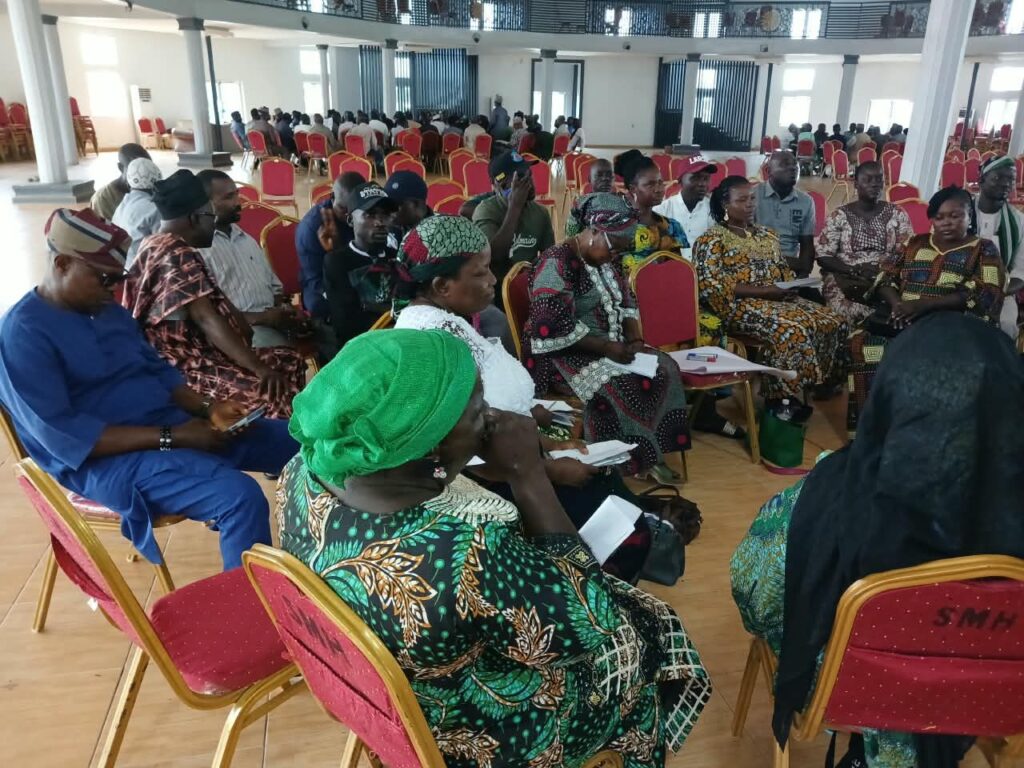
The stakeholders further advocated a hybrid policing model in which a substantial number of police personnel would remain within communities to facilitate effective intelligence gathering and community engagement, while strategically located barracks would accommodate specially trained personnel for rapid deployment during emergencies.
The consultations also featured goodwill messages from the Executive Chairmen of Pankshin and Mangu Local Government Councils, who joined other stakeholders at the Pankshin meeting.
With the consultations across the two senatorial zones producing a common position, Plateau stakeholders have expressed readiness to support a policing model that brings security closer to the people while insisting that strong institutional safeguards must accompany its implementation.