Plateau Peace Architecture Forum Sparks Fresh Thinking on Conflict Prevention and Peacebuilding
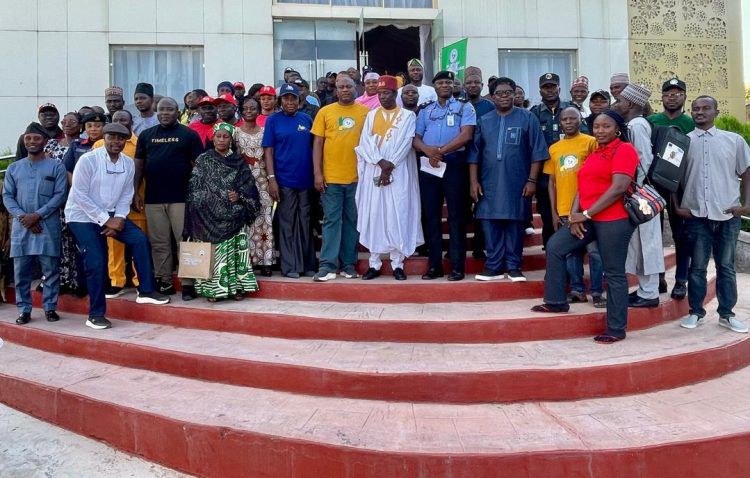
Amid the evolving security landscape and recurring conflicts across Plateau State, stakeholders in the peacebuilding ecosystem convened to critically reflect on existing approaches to conflict prevention and response. Recognizing that emerging threats require innovative and coordinated solutions.
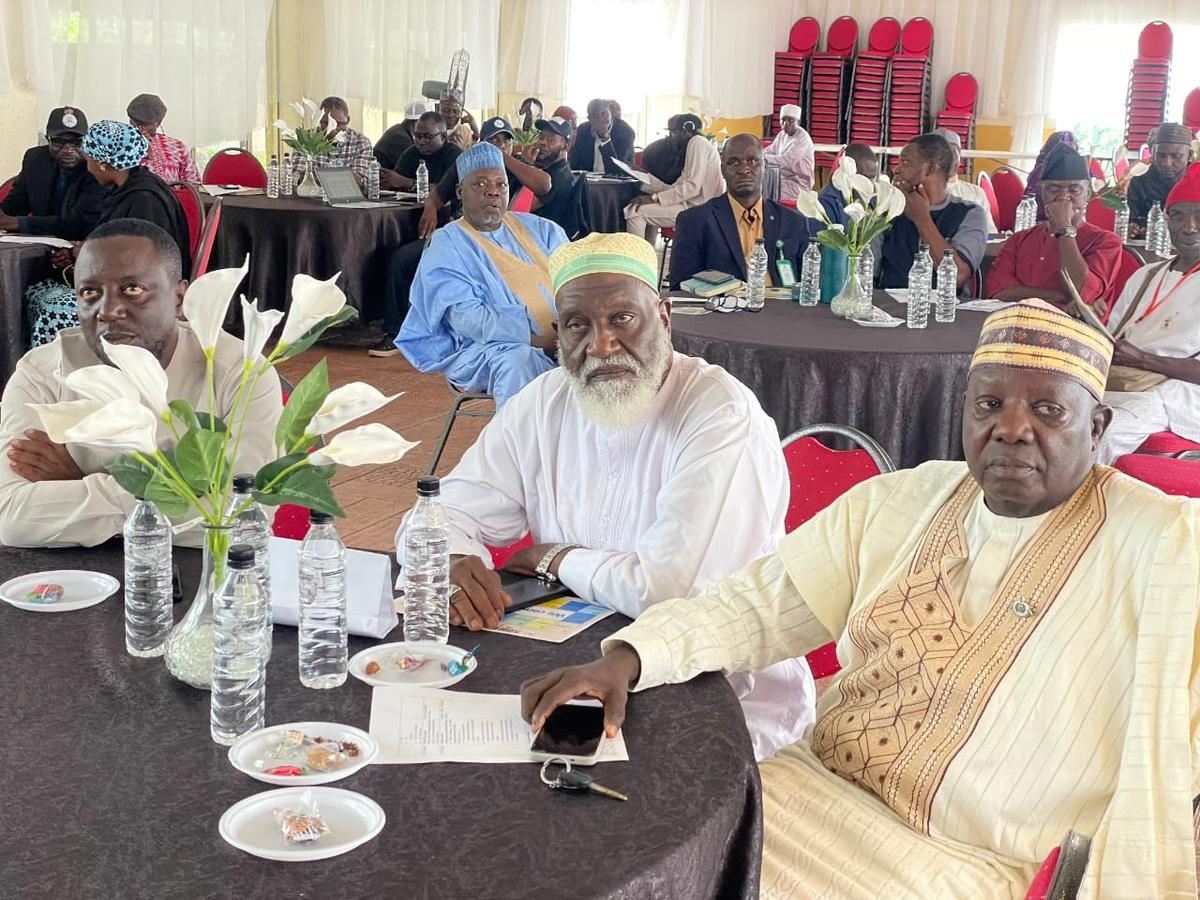
The Plateau State Peace Building Agency (PPBA), in collaboration with the Plateau Peace Practitioners Network (PPPN), organized the June edition of the Plateau Peace Architecture Forum (PPAF) under the theme, “Beyond Response: Rethinking Early Warning and Collective Action in Plateau State.” The forum brought together government officials, security agencies, development partners, civil society organizations, traditional and religious leaders, women and youth representatives, as well as peacebuilding practitioners to explore practical pathways toward strengthening peace and security in the state.
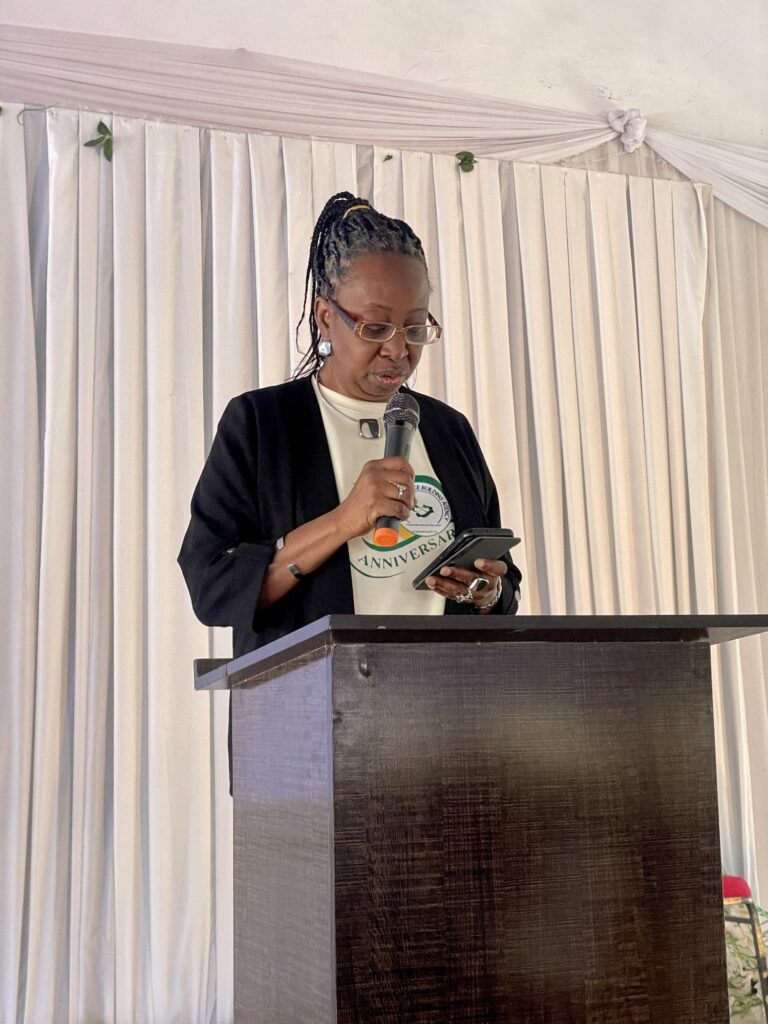
Setting the tone for the engagement, the Director General of the Plateau State Peace Building Agency, Dr. Mrs. Julie Sanda, welcomed participants and appreciated their unwavering commitment to promoting peace, security, and resilience across Plateau State. She acknowledged the valuable contributions of key partners, particularly the Plateau Peace Practitioners Network (PPPN) and GIZ, in advancing peacebuilding initiatives throughout the state. While noting the significant gains recorded through dialogue, mediation, and community engagement, she observed that recent security challenges have exposed gaps in existing early warning and response systems.
Consequently, Dr. Sanda challenged stakeholders to rethink conventional approaches to early warning in view of the changing dynamics of insecurity, including recurring attacks, kidnappings, and the activities of organized criminal groups. According to her, the forum’s theme calls for a critical reassessment of current structures, tools, and assumptions guiding peace and security interventions. She therefore urged participants to embrace innovative, community-driven, and collaborative approaches capable of anticipating threats, strengthening response mechanisms, and sustaining peace across Plateau State.
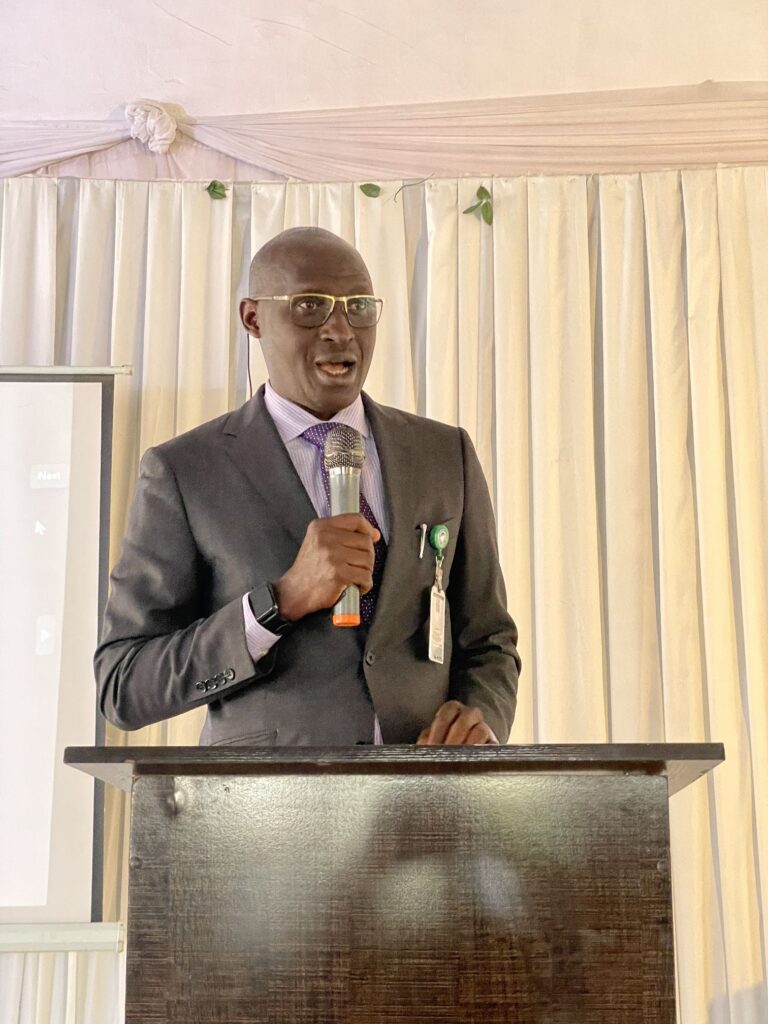
Delivering a goodwill message on behalf of the Secretary to the Government of Plateau State, Arc. Samuel N. Jatau, Mr. Nathaniel Michael described the forum’s theme as both timely and relevant. He noted that Plateau State’s history of recurring conflicts and evolving security threats underscores the urgent need to move beyond reactive measures and embrace proactive, inclusive, and sustainable peacebuilding strategies. He emphasized that achieving lasting peace requires collective action and a shared commitment to preventing conflicts before they escalate.
Furthermore, Mr. Michael highlighted the indispensable role of collaboration among government institutions, traditional and religious leaders, civil society organizations, women and youth groups, security agencies, and development partners in fostering peaceful coexistence. He commended the Plateau State Peace Building Agency, PPPN, GIZ, and other stakeholders for providing a platform that promotes dialogue, learning, and innovative thinking. Reaffirming government’s commitment to peace and development, he stressed that true peace extends beyond the absence of violence and must be built upon justice, inclusion, cooperation, and shared responsibility.
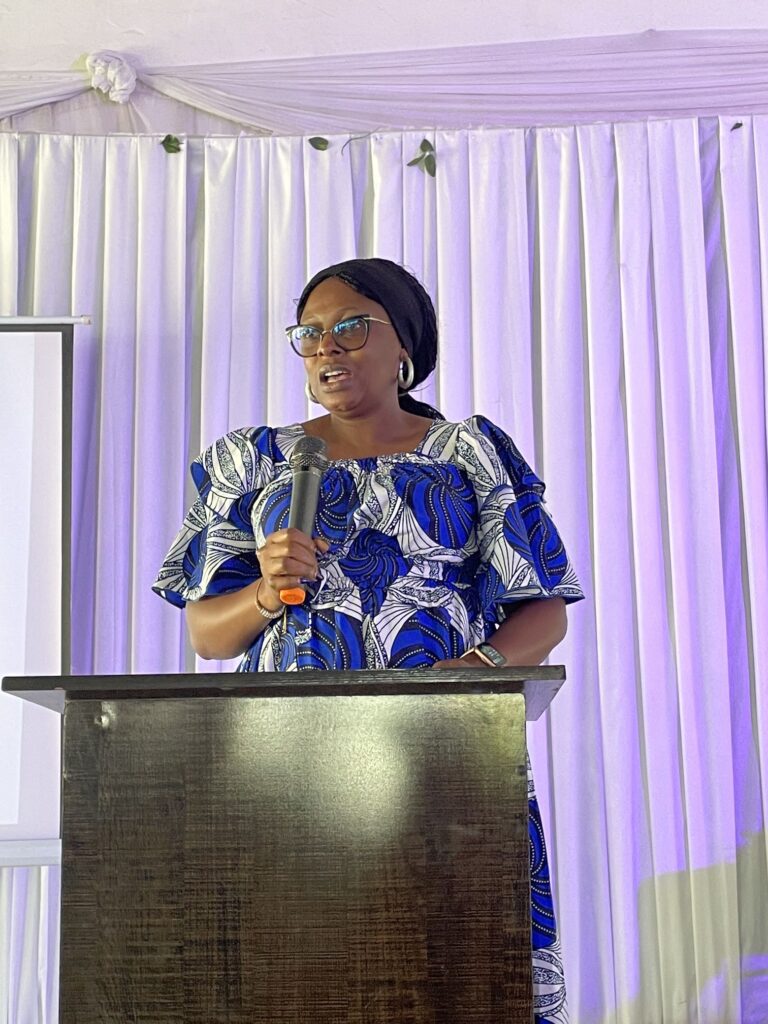
Similarly, Dr. Geraldine Yop Aku of GIZ PeaceCore commended the organizers for convening the forum and emphasized the need to rethink early warning beyond information gathering. She advocated for proactive planning, budgeting, and resource mobilization as essential components of effective early warning and response systems. She further urged stakeholders to take collective responsibility for peacebuilding, address the root causes of insecurity, and develop sustainable local solutions to emerging challenges.
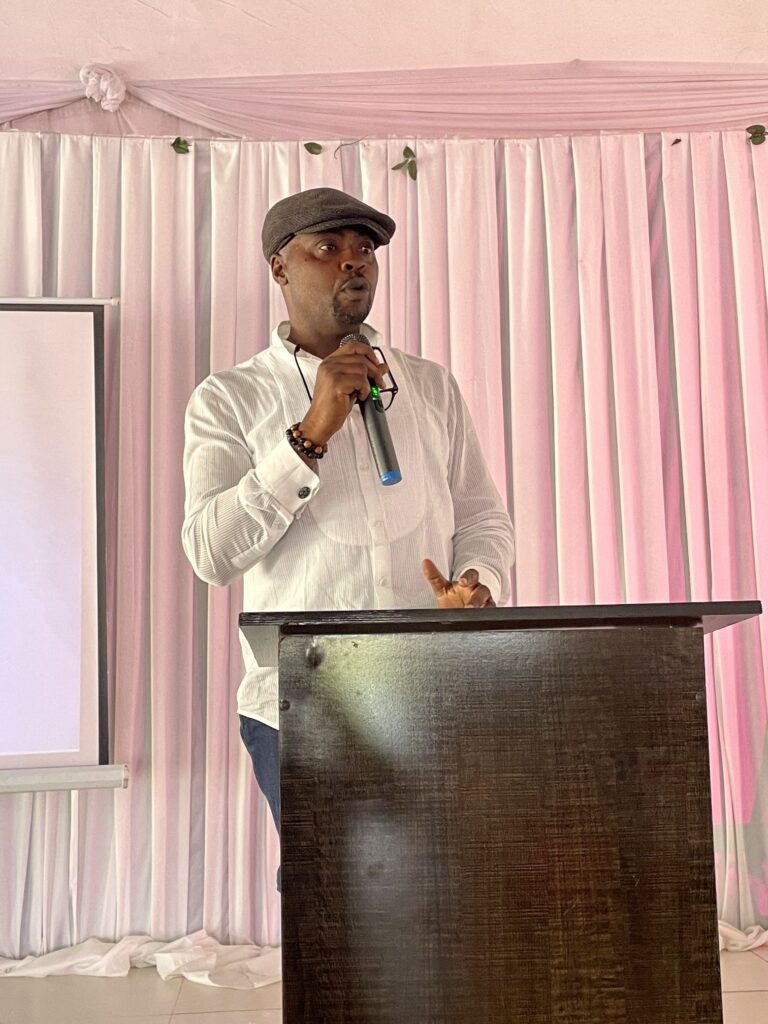
In the same vein, the President of the Plateau Peace Practitioners Network (PPPN), Mr. Naaman Bali, underscored the timely relevance of the forum’s theme. He called for a critical reassessment of existing early warning and response mechanisms while expressing optimism that the deliberations would generate practical and effective strategies for sustaining peace across Plateau State.
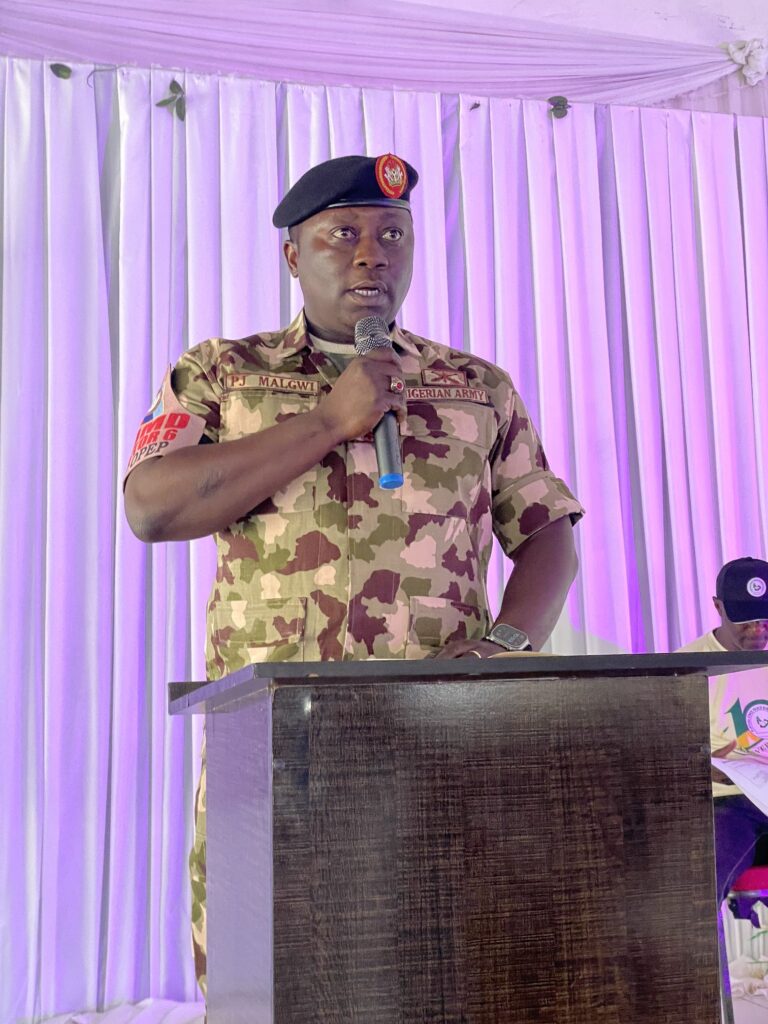
Representing the General Officer Commanding 3 Division and Commander of Operation Enduring Peace, Colonel P. J. Malgwi emphasized the importance of effective early warning and early response systems in maintaining peace and security. He observed that the changing nature of security threats demands stronger collaboration among security agencies, peacebuilding actors, and other stakeholders. He therefore expressed confidence that the forum’s discussions would yield practical recommendations for addressing the state’s evolving security challenges.
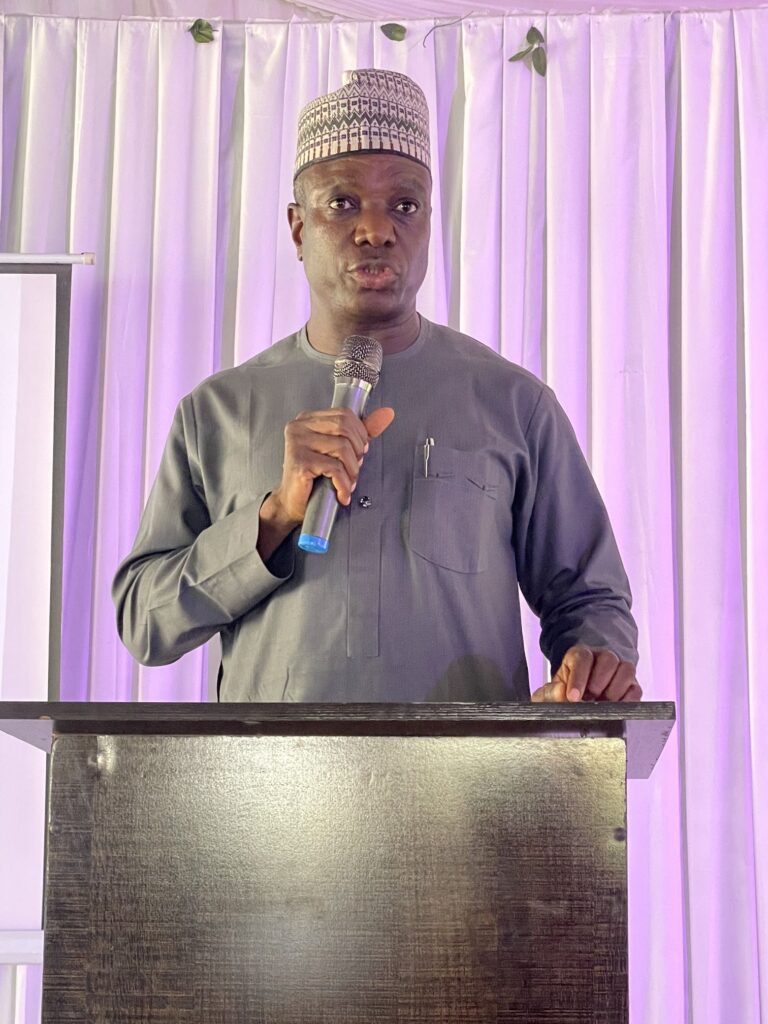
Also speaking, Prof. Chris Kwaja, Special Envoy on Peace and Security to the Governor of Plateau State, challenged participants to critically evaluate the effectiveness of existing early warning systems and collective action frameworks. He stressed the importance of synergy among government, security agencies, and communities, while cautioning against conflating organized crime with conventional conflict. He further advocated for accountability, justice for victims, and the integration of transitional justice mechanisms into peacebuilding efforts.
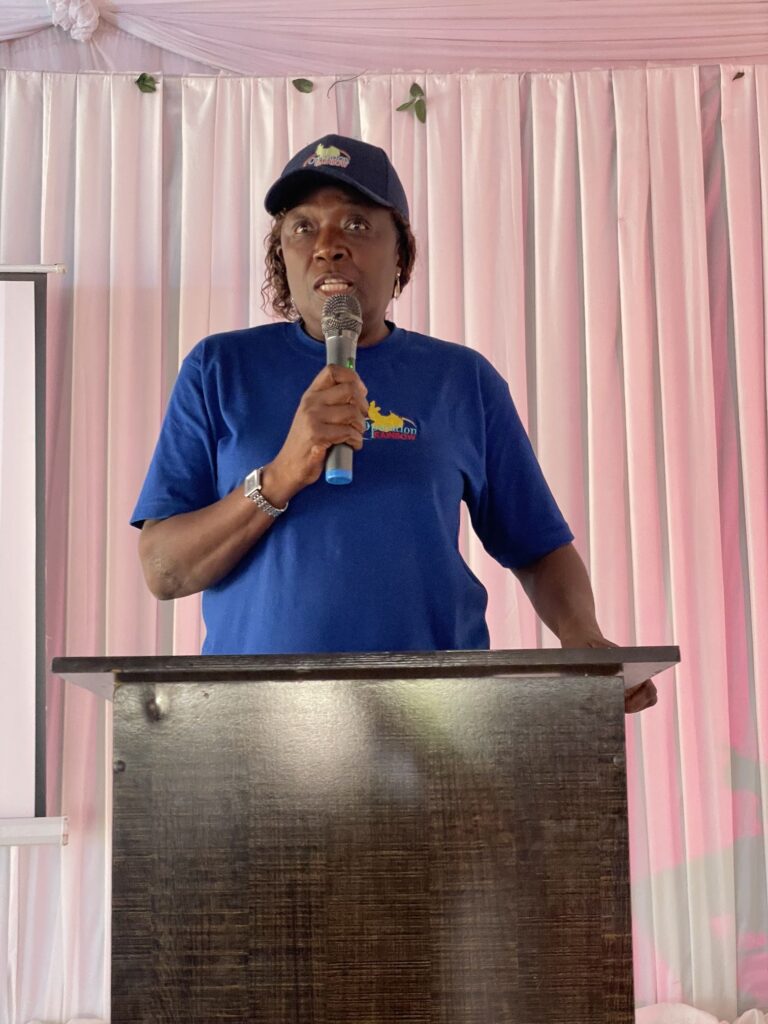
Representing the Special Adviser to the Governor on Security, Brig. Gen. Gakji Shipi, Mrs. Fadassah Othman emphasized the need to strengthen collective action while rethinking early warning systems. She urged participants to engage in honest reflection and collaborative problem-solving aimed at developing practical and sustainable solutions to the state’s security concerns.
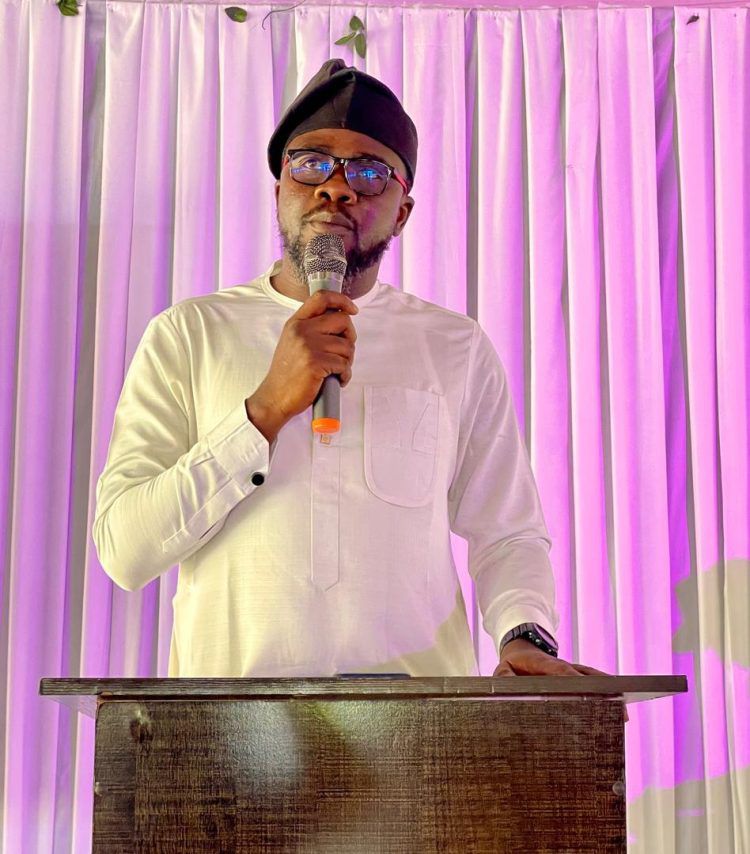
Similarly, Usman Usman, representing the United Nations Development Programme (UNDP), noted that the challenge is often not the absence of information but the limited capacity to respond effectively. He advocated stronger community-centered early warning systems, improved coordination and proactive prevention strategies.
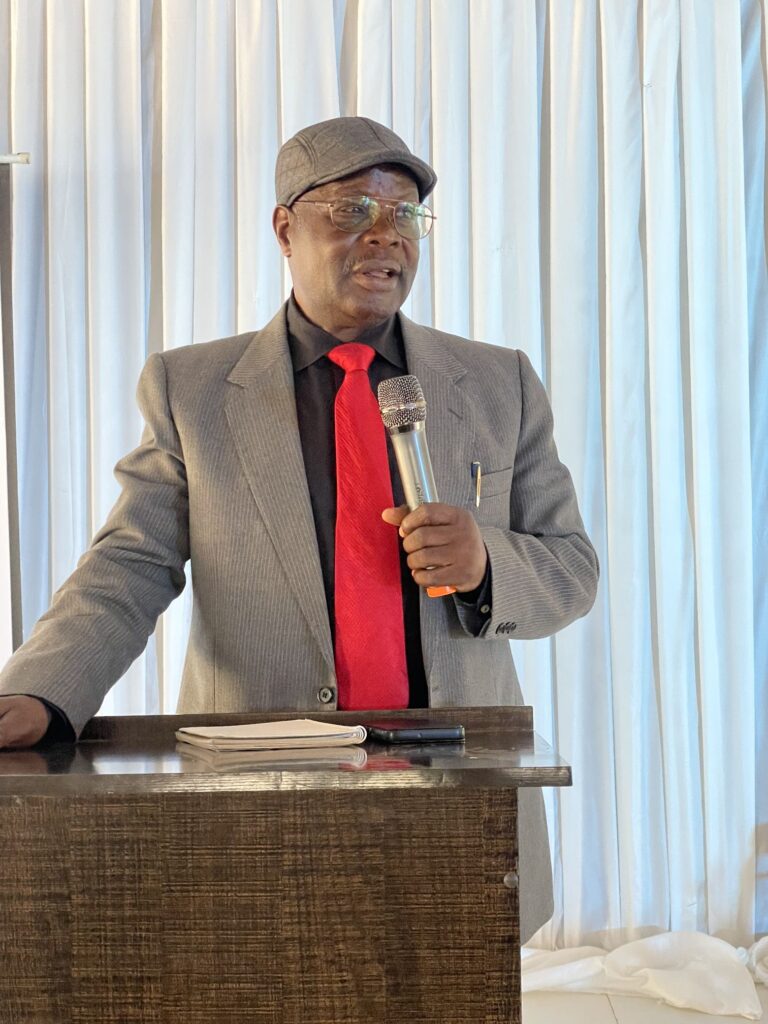
The keynote presentation was delivered by Rev. Samuel Goro on the theme, “Beyond Response: Rethinking Early Warning and Collective Action in Plateau State.” He challenged stakeholders to critically examine the effectiveness of current early warning and response systems and advocated for a shift from reactive interventions to proactive, community-driven approaches. According to him, peacebuilding efforts must prioritize early risk identification, enhanced stakeholder coordination, and collective responsibility in preventing violence.
He further emphasized that effective early warning systems must be rooted in local realities and informed by community experiences. Rev. Goro noted that local communities are often the first to identify signs of emerging threats and therefore remain central to any successful peacebuilding strategy. He concluded by stating that, “If early warning doesn’t come from the villages, the response will not reach the villages,” underscoring the need for locally tailored early warning mechanisms driven by grassroots participation.
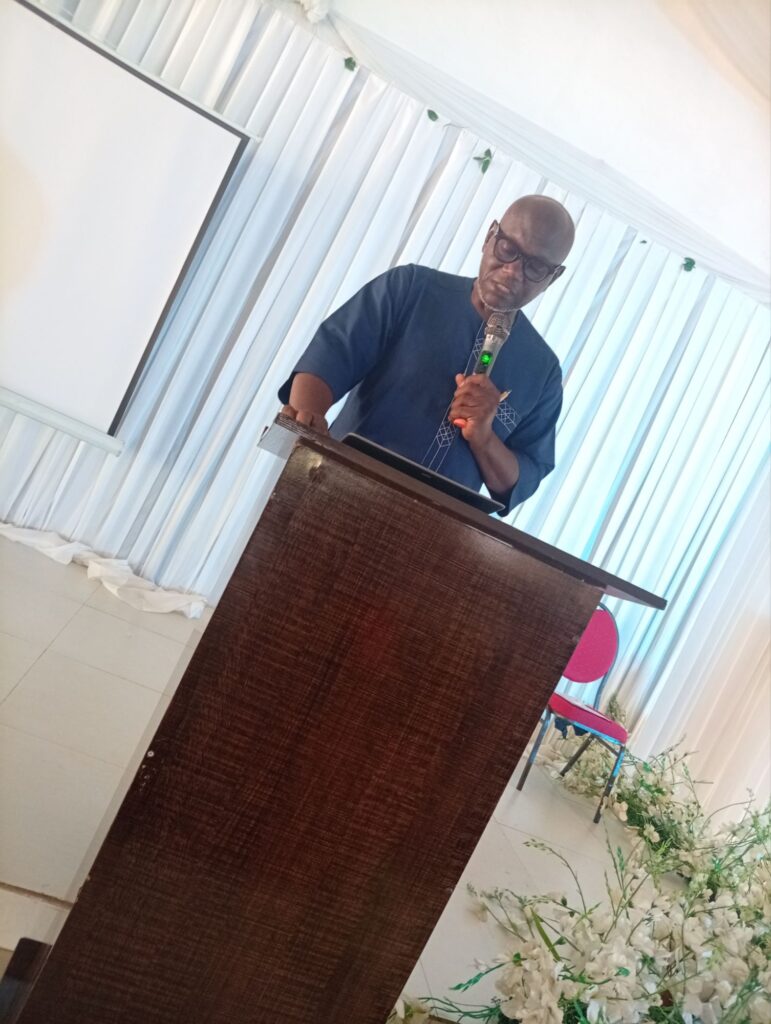
Another major highlight of the forum was a presentation by Mr. Andrew Gani-Ikilama of Ritji Tech Hub on “Leveraging Digital Tools for Early Warning and Early Response (EWER) Systems.” He highlighted the transformative role of technology in enhancing peace and security interventions, explaining how mobile applications, digital reporting platforms, and real-time monitoring systems can improve the speed, accuracy, and coordination of early warning information.
While advocating the adoption of technology-driven solutions, he stressed that digital tools must complement existing community-based structures and local intelligence systems. He encouraged stakeholders to invest in digital infrastructure, capacity building, and inter-agency collaboration to strengthen EWER systems and ensure a more responsive and data-driven approach to peacebuilding.
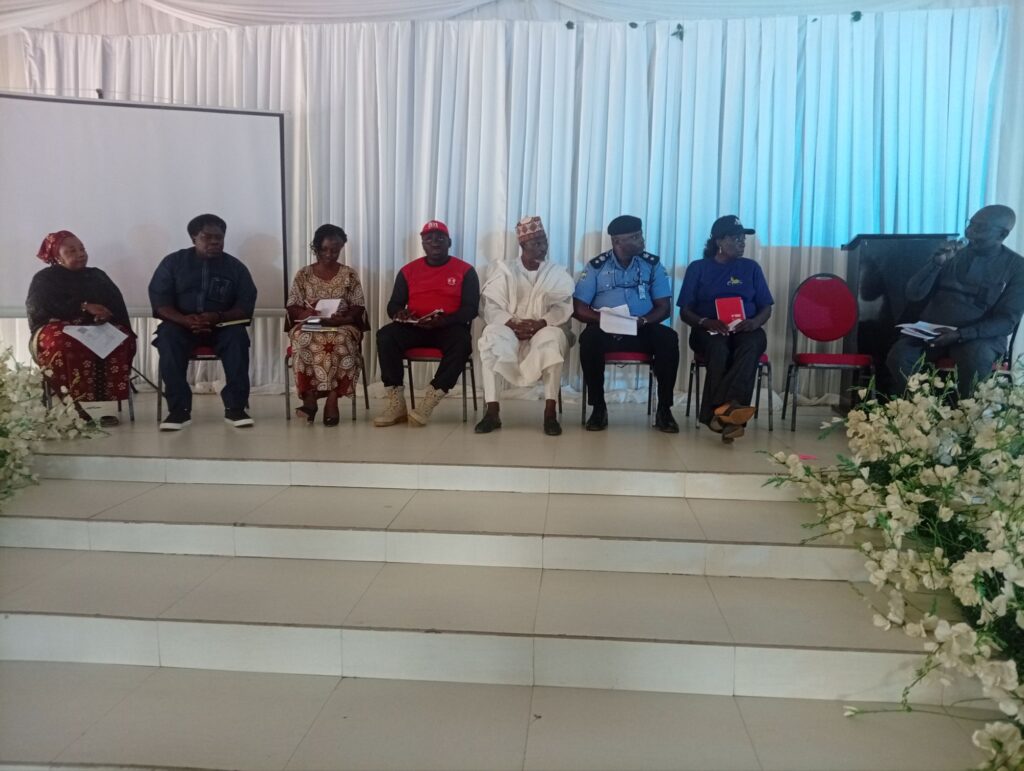
A robust panel discussion, moderated by Kingsley Obida, further enriched the deliberations. The session focused on “Early Warning in the Current Context of Plateau State: What Works? Successes, Gaps, Coordination Challenges, and Opportunities for Strengthening Collective Action.” Panelists drawn from the Nigeria Forest Guard, Operation Rainbow, Community Peace Architecture Forum (CPAF), the Nigeria Police Force, women and youth groups, civil society organizations, and humanitarian and development partners shared practical experiences from the field.
The panel identified several successes, including improved community engagement, stronger collaboration among security agencies, and the establishment of local peace structures that have helped prevent the escalation of tensions in several communities. However, participants also highlighted persistent challenges such as delayed response to intelligence reports, inadequate funding, weak coordination among stakeholders, limited technological infrastructure, and insufficient community trust in some security processes. The panel further emphasized the need to strengthen information-sharing mechanisms, expand grassroots participation, improve resource mobilization, and institutionalize community-driven early warning systems capable of responding to the realities of emerging threats.
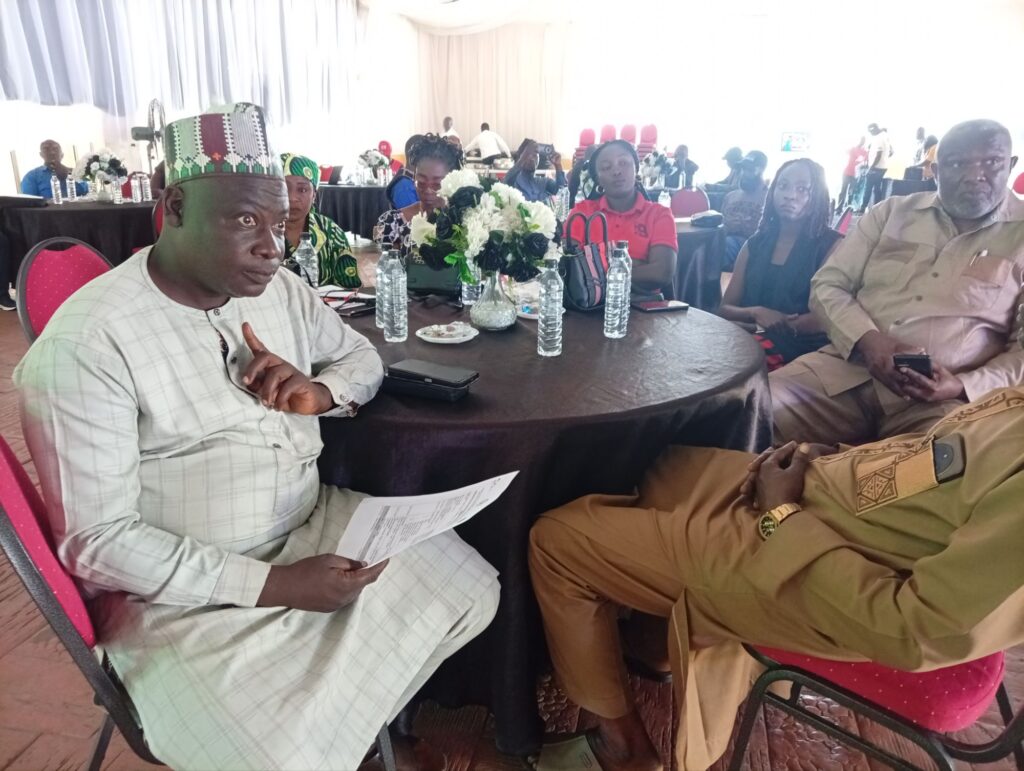
Among the key action points that emerged from the forum were the need to strengthen community-based early warning systems, improve coordination among security and peacebuilding actors, invest in digital technologies for real-time information sharing, increase government funding for peace and security interventions, and enhance the participation of women, youth, and local communities in peacebuilding processes. Participants also called for greater accountability, continuous stakeholder engagement, and the development of context-specific response strategies tailored to the unique realities of Plateau State.
In their feedback, participants commended the organizers for creating a platform that fostered meaningful dialogue, reflection, and collaborative problem-solving. Many described the discussions as timely and insightful, particularly in light of the state’s evolving security challenges. There was a shared consensus that the forum had provided practical recommendations capable of strengthening existing peacebuilding structures and improving the effectiveness of early warning and response mechanisms across the state.
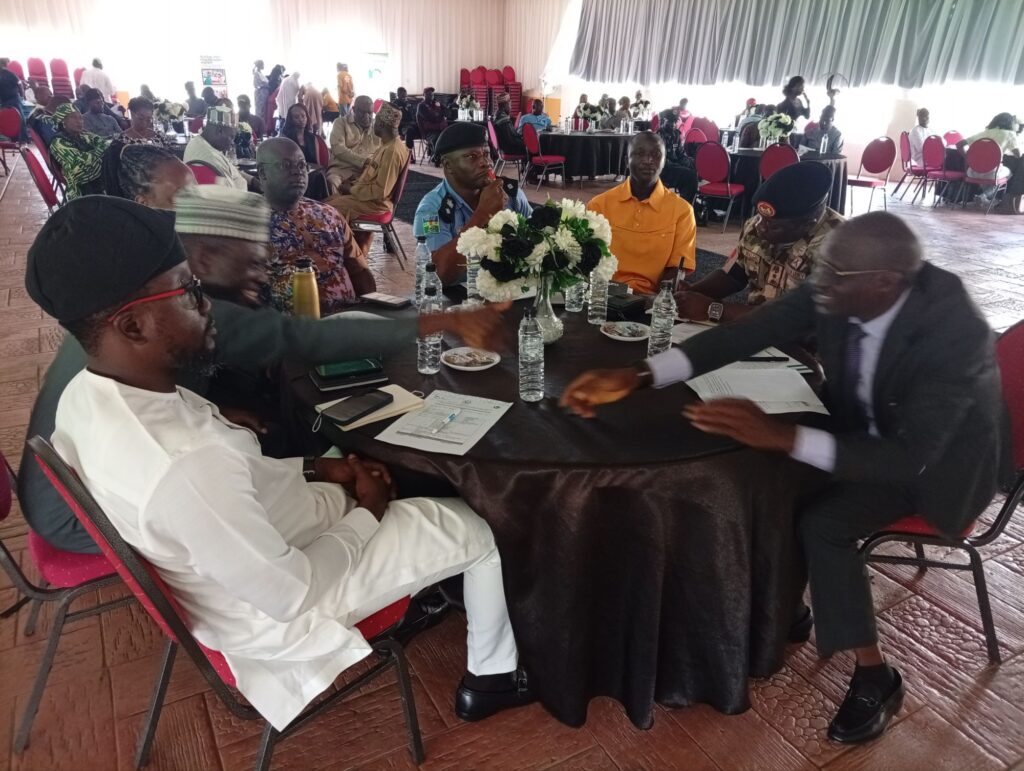
As the forum drew to a close, participants left with a renewed sense of responsibility and commitment to safeguarding peace on the Plateau. Beyond the rich discussions and exchange of ideas, the gathering reinforced the understanding that sustainable peace can only be achieved through collective action, innovation, and inclusive participation. The forum therefore served not merely as a platform for dialogue, but as a call to action for all stakeholders to move beyond response and embrace proactive, community-centered, and collaborative approaches toward building a more peaceful, secure, and resilient Plateau State.